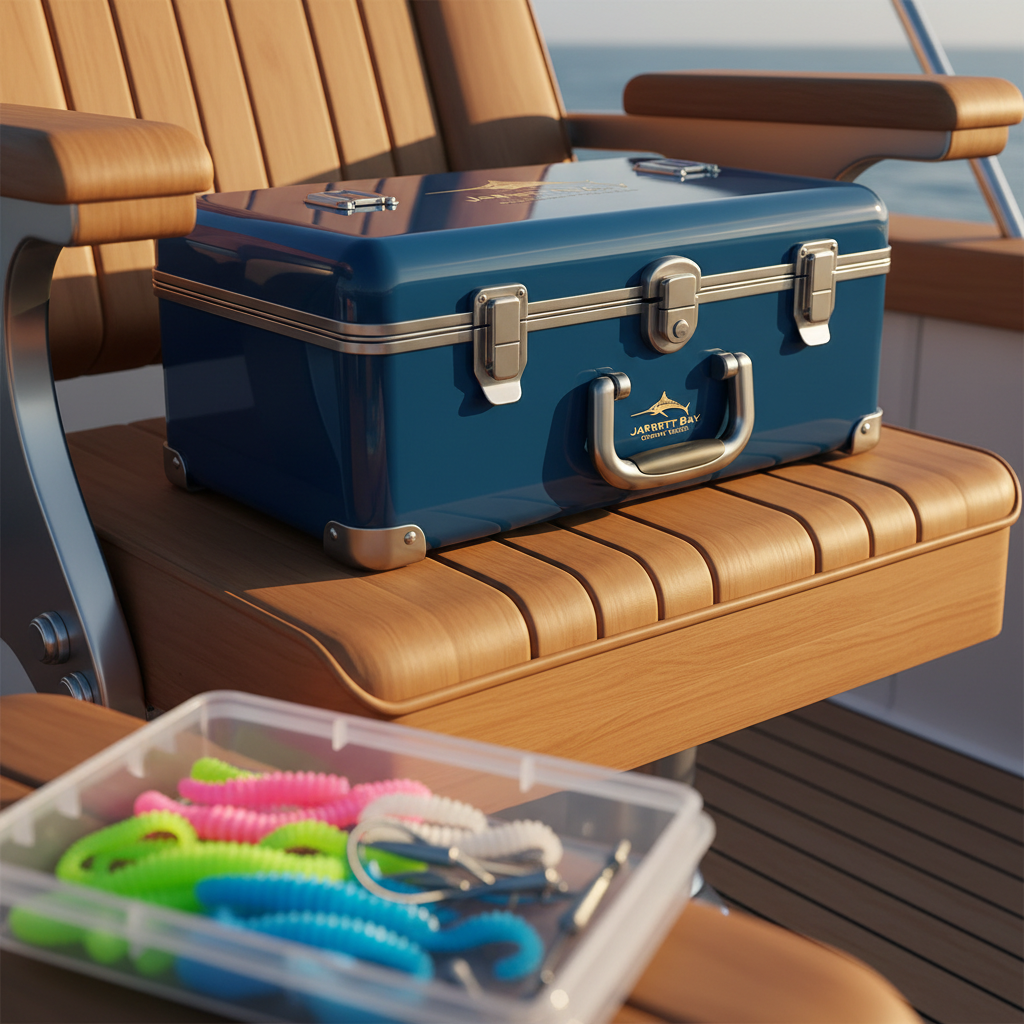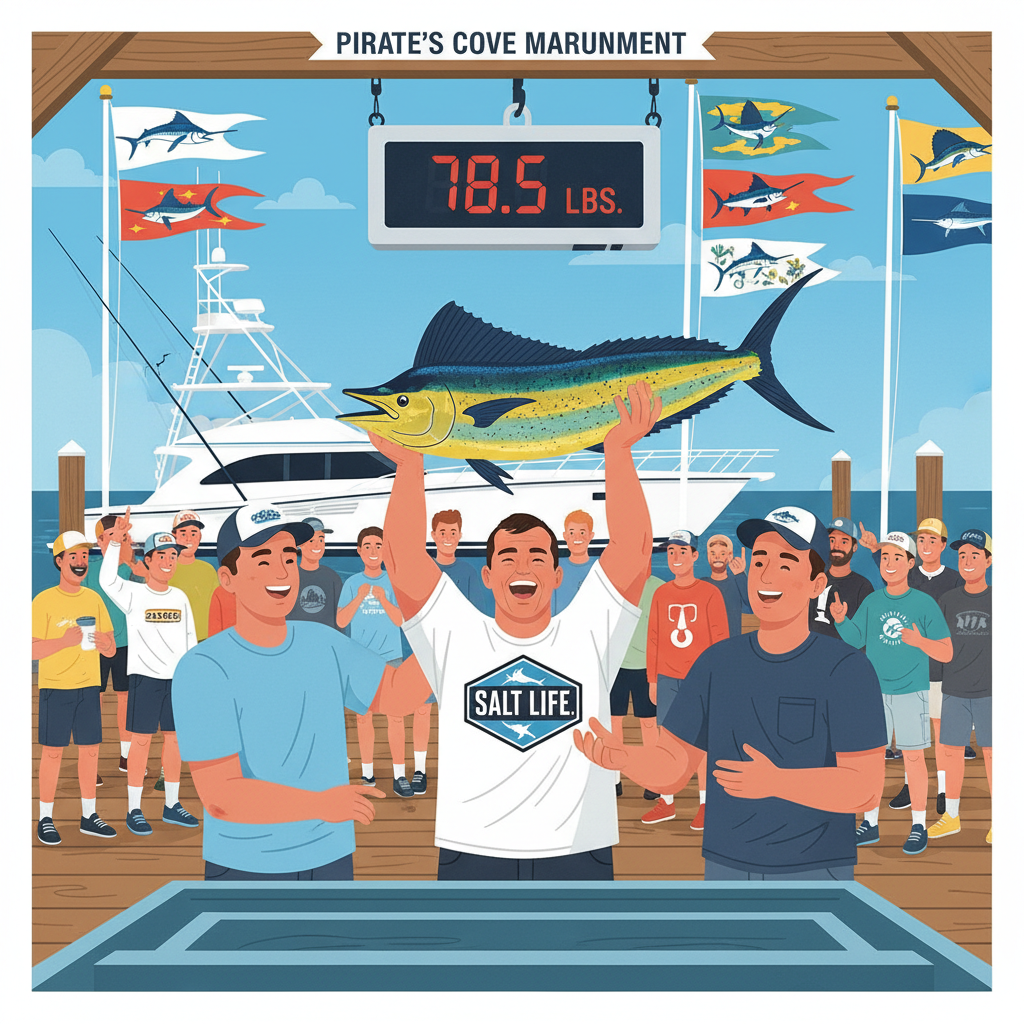
We've all seen the headlines, the million-dollar checks, the gleaming sportfishers like a Viking 80 Convertible or a Jarrett Bay custom, bristling with the latest Furuno Omni sonar and Shimano Tiagra 130s. That's the pinnacle of our sport, no doubt. But a recent buzz, sparked by an 'Outdoor Life' podcast, got me thinking about the other end of the spectrum: 'The Cheapest Way to Catch Tuna.' And you know what? It's a conversation worth having, even for us who bleed diesel and live for the weigh-in at Pirate's Cove.
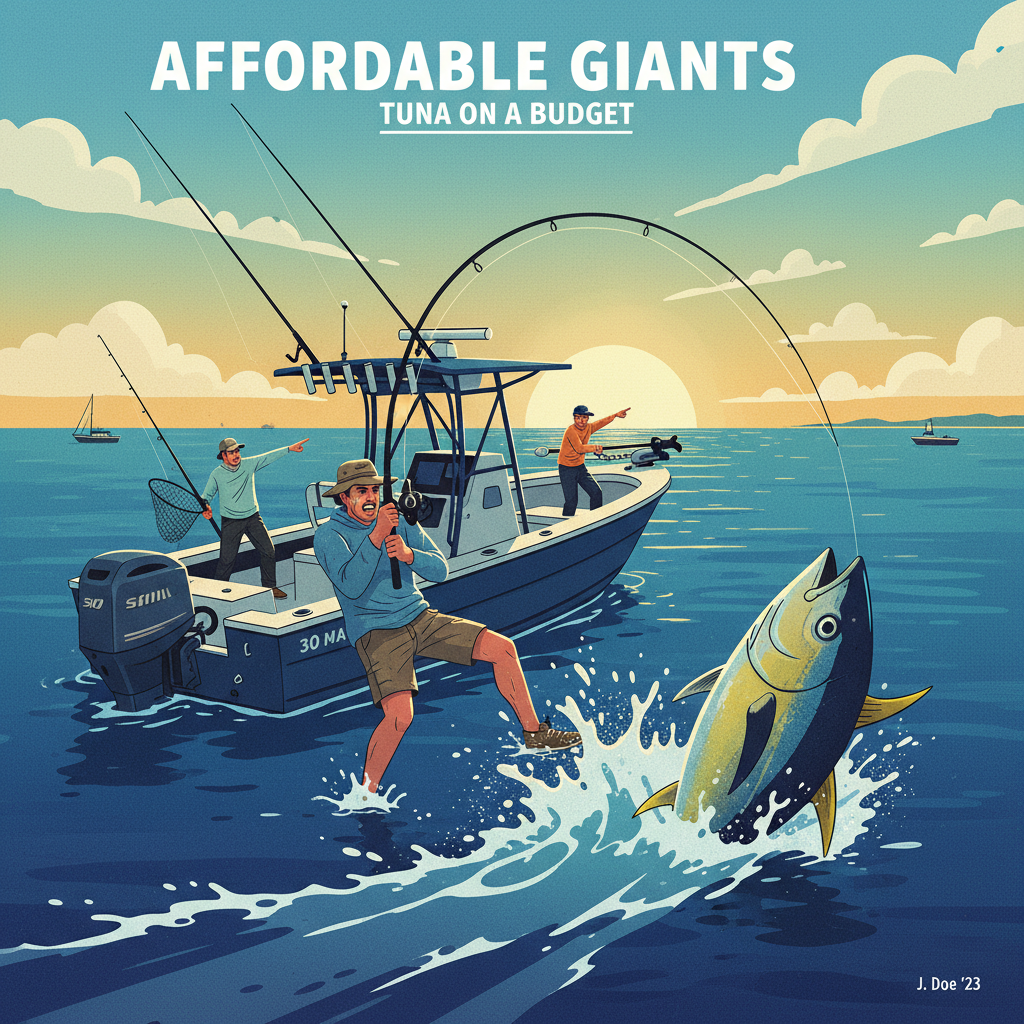
Because before the custom fighting chairs and the AFTCO bent-butt rods, there was just a boat, a line, and a dream. The podcast likely delves into the fundamentals – finding fish, understanding bait, and the sheer grit required. And that's where the wisdom lies. You don't need a $50,000 spread of dredges and teasers to find tuna. Sometimes, it's a simple cedar plug trolled behind a smaller center console, or a chunking operation with basic gear that gets the job done.
I've seen it firsthand. While we're out there on a Ritchie Howell, burning hundreds of gallons chasing a 700-pound bluefin, a buddy in a well-maintained 25-foot Contender, armed with a couple of Penn Senators and a cooler full of chum, can be putting yellowfin in the fish box. It’s a testament to skill, local knowledge, and understanding the fish, not just the gear.
This isn't to say we abandon our state-of-the-art Garmin electronics or our meticulously maintained tackle. Far from it. But it's a good reminder that the core principles of offshore fishing – seamanship, fish identification, and a deep respect for the ocean – are universal. Whether you're chasing a record-setting marlin for a million-dollar payout or just trying to put some fresh tuna on the dinner table, the passion is the same. And sometimes, the 'cheapest way' is simply the most authentic.