Gentlemen, and ladies, of the offshore circuit – we spend our lives chasing the thrill of the bite, the scream of the drag, the glory of the weigh-in. We invest in the finest Viking, Jarrett Bay, and Release hulls, outfit them with top-tier Shimano and Penn gear, and navigate with cutting-edge Garmin and Furuno electronics. Our passion is sport, our commitment is conservation, and our respect for the ocean runs deep.
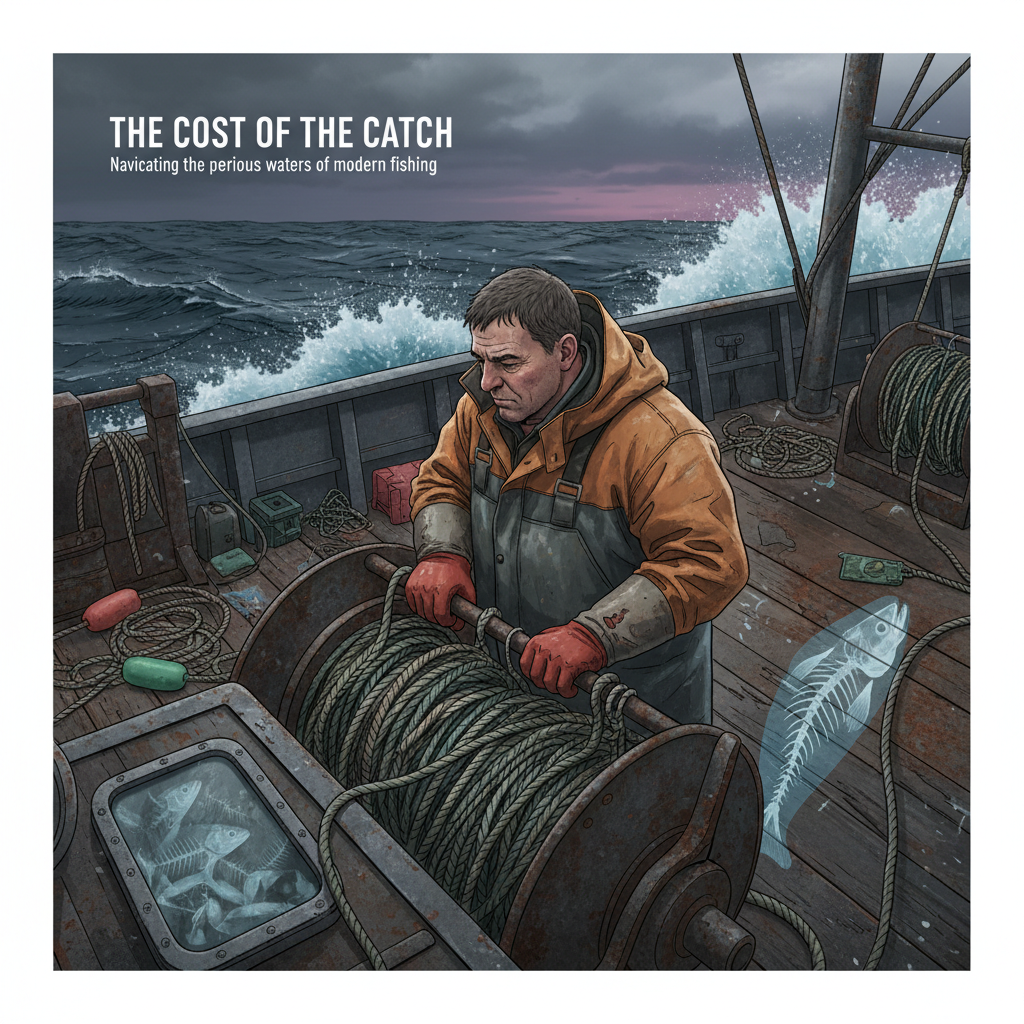
But a recent report from The Pew Charitable Trusts has dropped like a lead sinker into the calm waters of our perception, revealing a sobering truth that demands our attention: over 100,000 fishing-related deaths occur each year globally. Let that number sink in. While our tournaments emphasize safety, strict IGFA rules, and meticulous catch-and-release protocols, this study highlights the immense human cost borne by the commercial fishing industry, often in far less regulated waters and under vastly different conditions than our own.
This isn't about the occasional mishap on a pleasure cruise; it's about the relentless grind, the perilous conditions, and the often-desperate circumstances faced by those who harvest the seafood that feeds the world. The stark contrast between our well-equipped, safety-conscious sport and the realities faced by many commercial fleets is undeniable.
As stewards of the ocean, and as participants in a sport intrinsically linked to marine resources, this data should resonate deeply. It underscores the importance of sustainable practices, not just for fish stocks, but for the human lives intertwined with the industry. It reminds us that while we celebrate our big catches and tournament wins, there's a much larger, often unseen, narrative playing out on the world's oceans. Our collective voice, our influence, and our commitment to responsible practices can and should extend beyond the gunwales of our own boats, advocating for safer, more ethical conditions for all who work the sea.