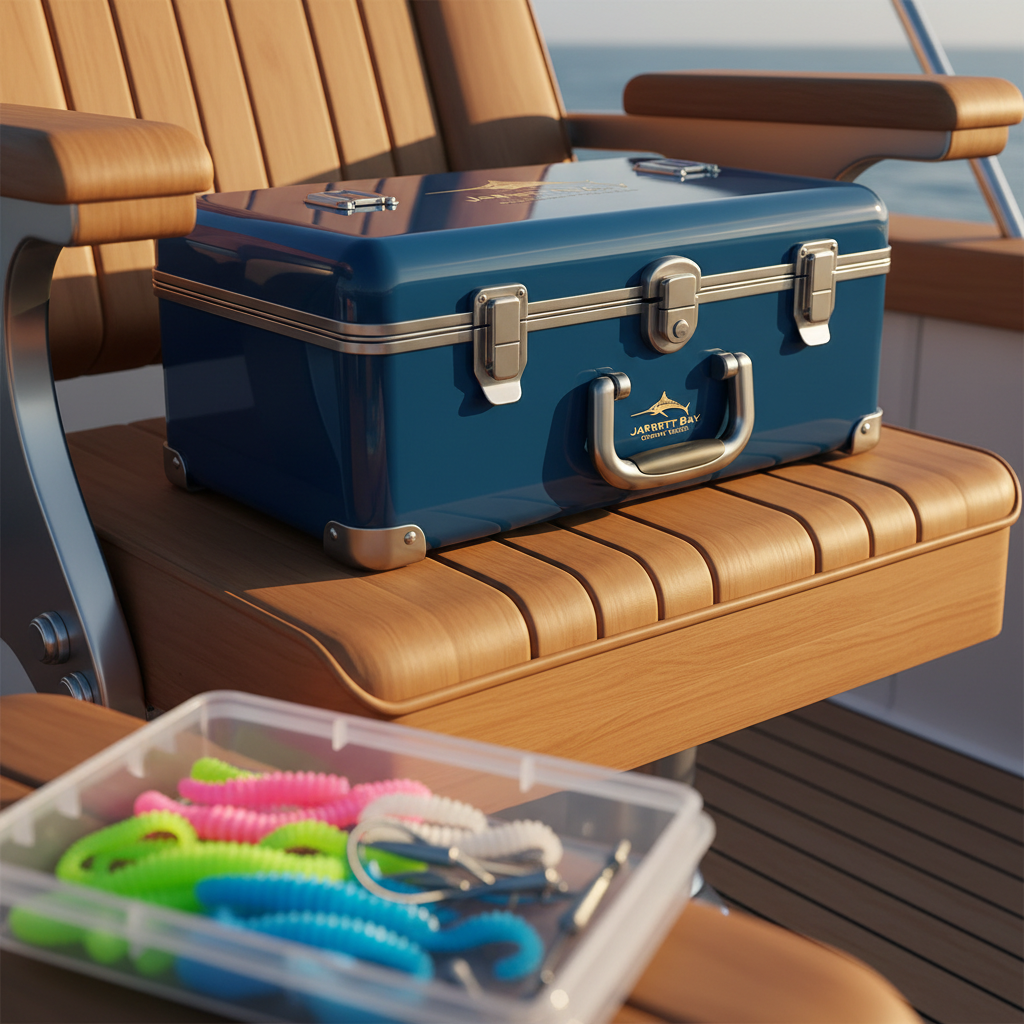
We live for the thrill of the chase, the scream of a Shimano Tiagra, the sight of a grander greyhounding across the transom. We spend millions on Vikings, Jarrett Bays, and Release boats, equipping them with the best Furuno and Garmin electronics, trusting our lives to their engineering and our crews' skill. But beneath the surface of this high-stakes world, a sobering reality persists: the sea demands a price.
A recent study highlighted by The Pew Charitable Trusts has brought this into sharp focus, revealing that over 100,000 fishing-related deaths occur globally each year. Now, before anyone jumps to conclusions, let's be clear: this isn't about the recreational angler casting a line from a pier. This data primarily encompasses commercial fishing, often in developing nations, where safety regulations are lax, and the pursuit of a livelihood pushes individuals to the absolute brink in unforgiving conditions.
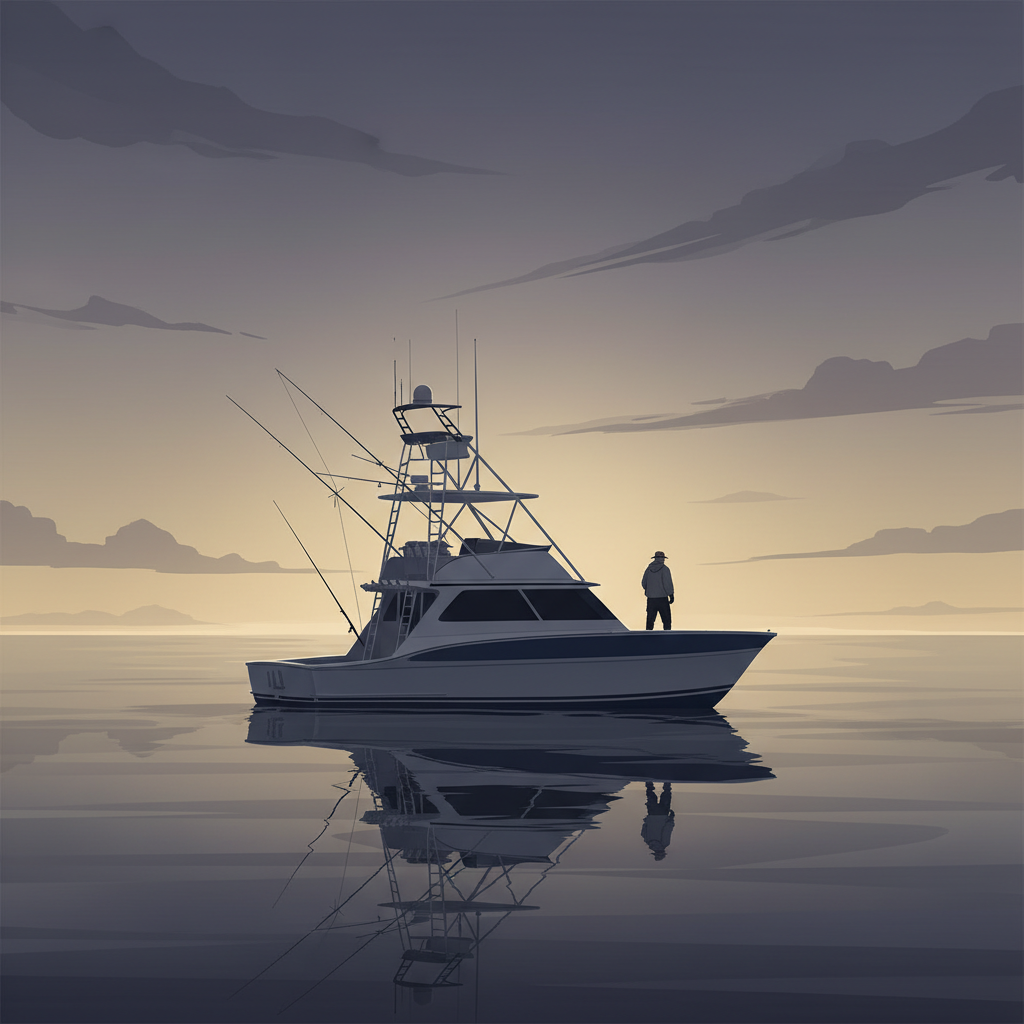
Yet, for those of us who spend countless hours offshore, chasing billfish from the Gulf Stream to the canyons, these numbers resonate. We know the power of the ocean. We've seen squalls blow up faster than a marlin can clear the water, felt the shudder of a rogue wave, and understood the silent, ever-present risks. Our tournaments, with their demanding schedules and long runs, require peak performance from both vessel and crew. Safety isn't just a protocol; it's ingrained in our DNA. From EPIRBs and satellite phones to meticulously maintained engines and redundant systems, we invest heavily in mitigating risk.
This study serves as a stark reminder of the respect the sea demands. While our focus remains on IGFA rules, catch-and-release protocols, and the drama of the weigh-in, it's also a call to appreciate the privilege of our sport. It reinforces the importance of continuing to advocate for robust safety standards, not just for our own fleets, but globally, for all who make their living or find their passion on the water. The ocean is a magnificent arena, but it never forgets who's in charge.