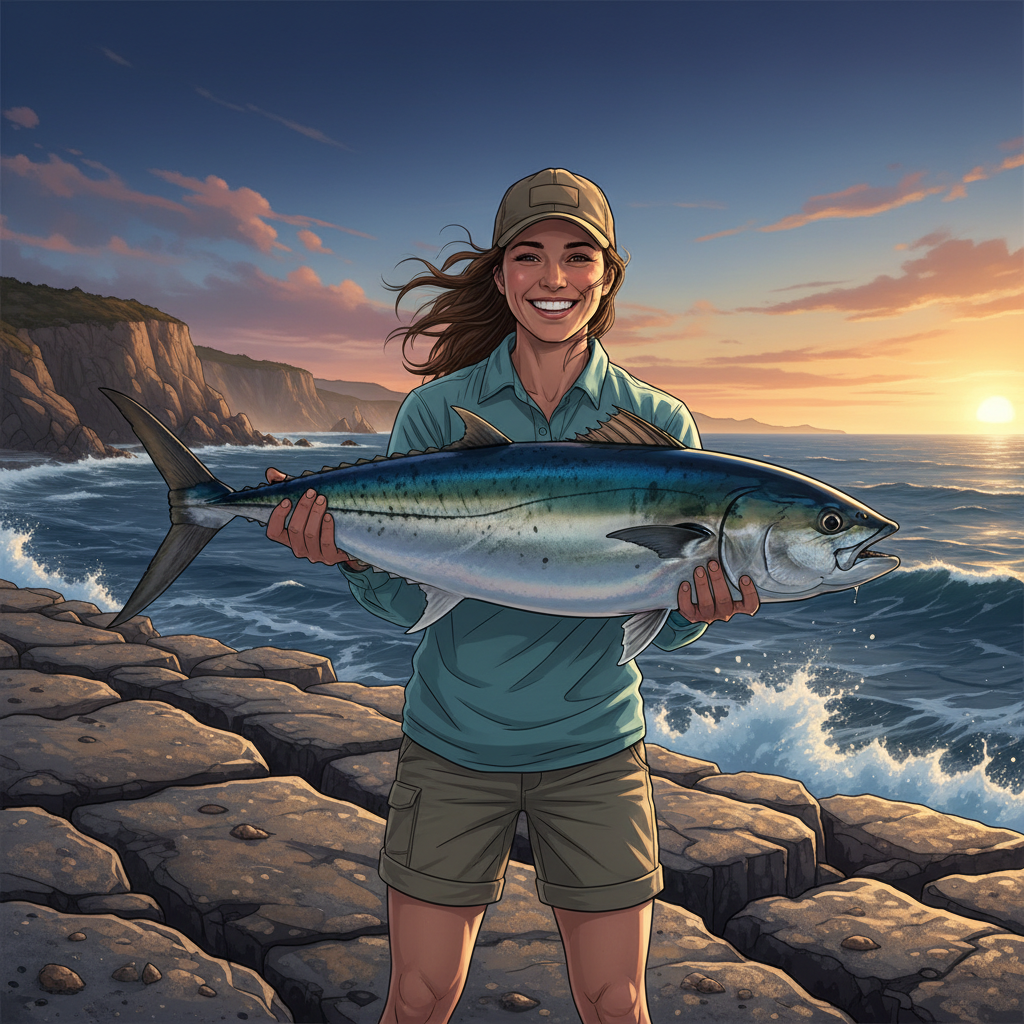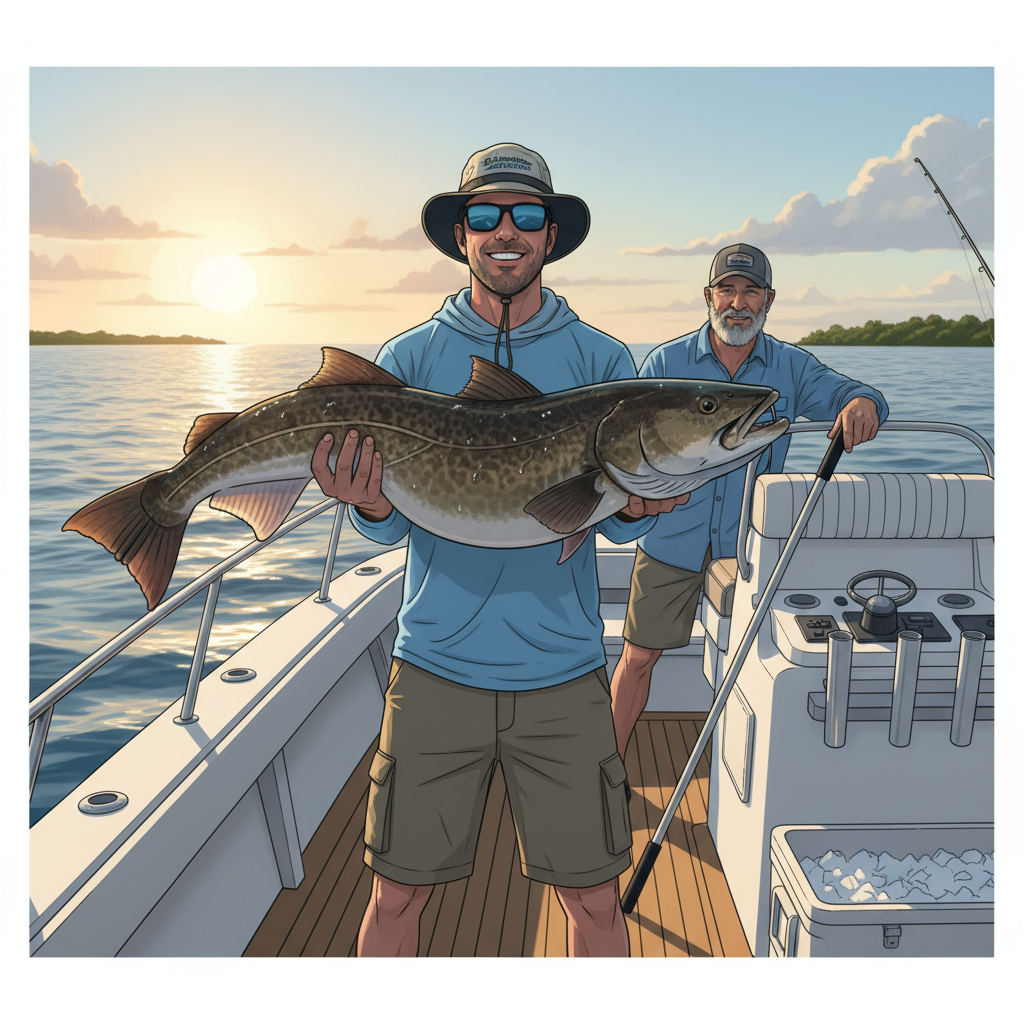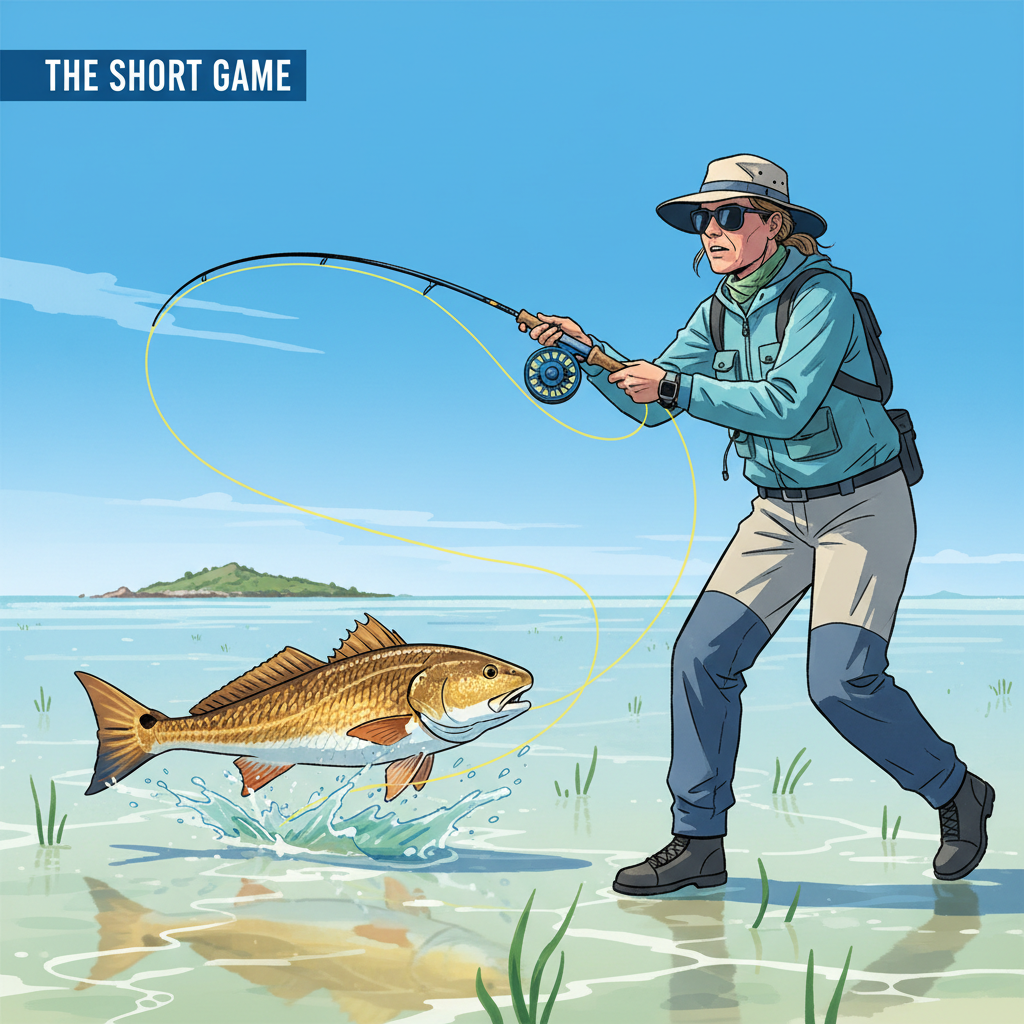
The calendar has flipped, and for those of us who live and breathe the salt, that means one thing: summer offshore. While the whispers of giant bluefin still echo from the spring bite, the focus now shifts to the deepwater ledges – those submerged topographical marvels that act as a magnet for bait and, consequently, the apex predators we chase.
Major League Fishing recently highlighted the importance of these structures, and while their focus might lean towards the freshwater side, the principles translate directly to our world. On the Canyon Runner, the Viking 72, or the Jarrett Bay 64, understanding these underwater highways is paramount. It's not just about finding the ledge; it's about reading the current, the thermoclines, and the bait schools that congregate there.
So, what do you *really* need when you're 80 miles out, staring down a promising sonar return on your Furuno or Simrad? First, your electronics package needs to be dialed. High-definition CHIRP transducers are non-negotiable for discerning bait balls from bottom structure. Next, tackle. We're talking heavy-duty. Shimano Tiagras or Penn Internationals, spooled with 80-pound mono or braid, are your workhorses. For live baiting, a robust AFTCO stand-up harness and fighting chair are essential – especially when a grander marlin decides to crash the party.
Lures? A spread of skirted ballyhoo, a few Ilanders, and perhaps a dredge or two to create that illusion of a bait school. Don't forget your deep-dropping rigs for swords or tilefish if the bite slows. And always, *always*, have a plan for catch-and-release. Our commitment to conservation, even amidst the heat of competition, is what defines us. The weigh-in drama is thrilling, but releasing a healthy billfish to fight another day is a victory in itself.
This summer, whether you're chasing white marlin off Ocean City or tuna off Hatteras, the ledges will be holding the fish. Be prepared, be smart, and respect the ocean. Tight lines.