For those of us who live and breathe the offshore game, the thrill of the chase is often accompanied by the hum of powerful diesels, the gleam of custom tackle, and the anticipation of a clean release or a dramatic weigh-in. We debate IGFA rules, celebrate conservation efforts, and invest heavily in the pursuit of sport.
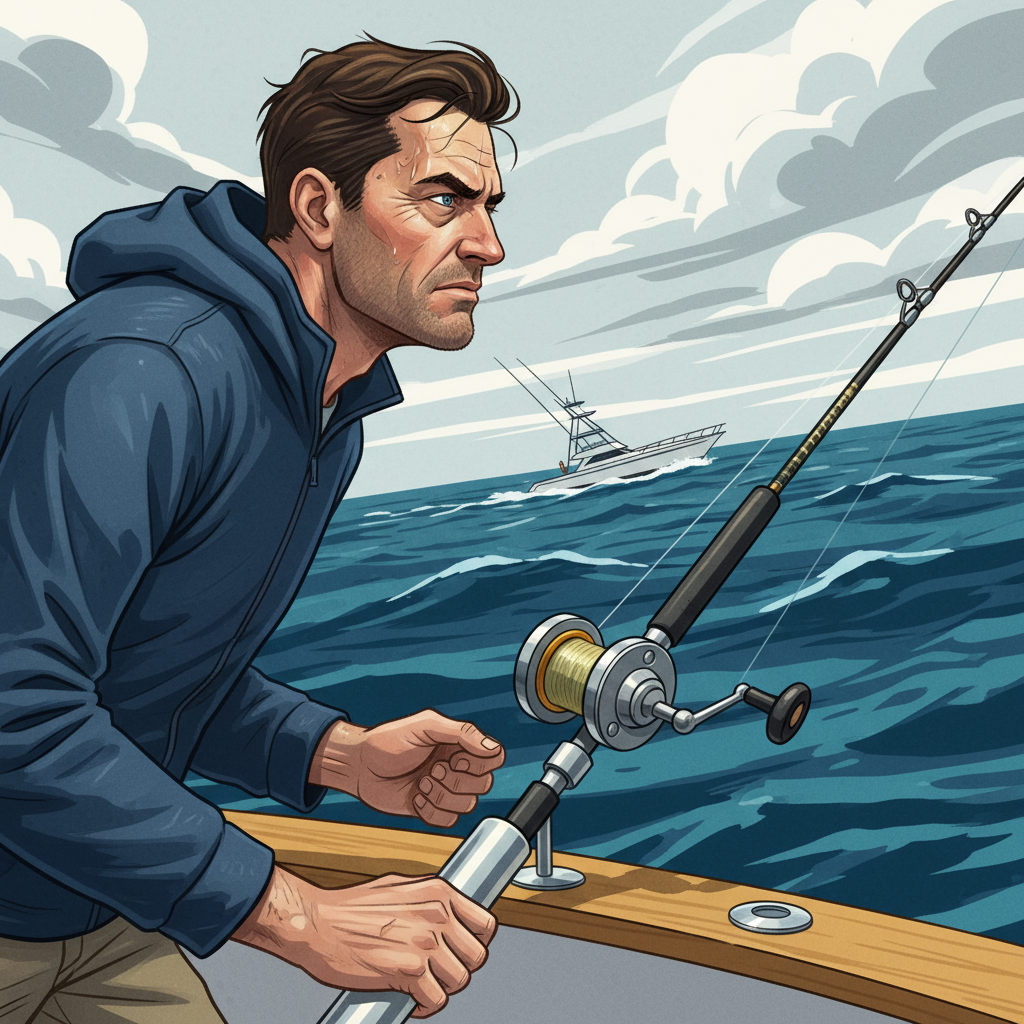
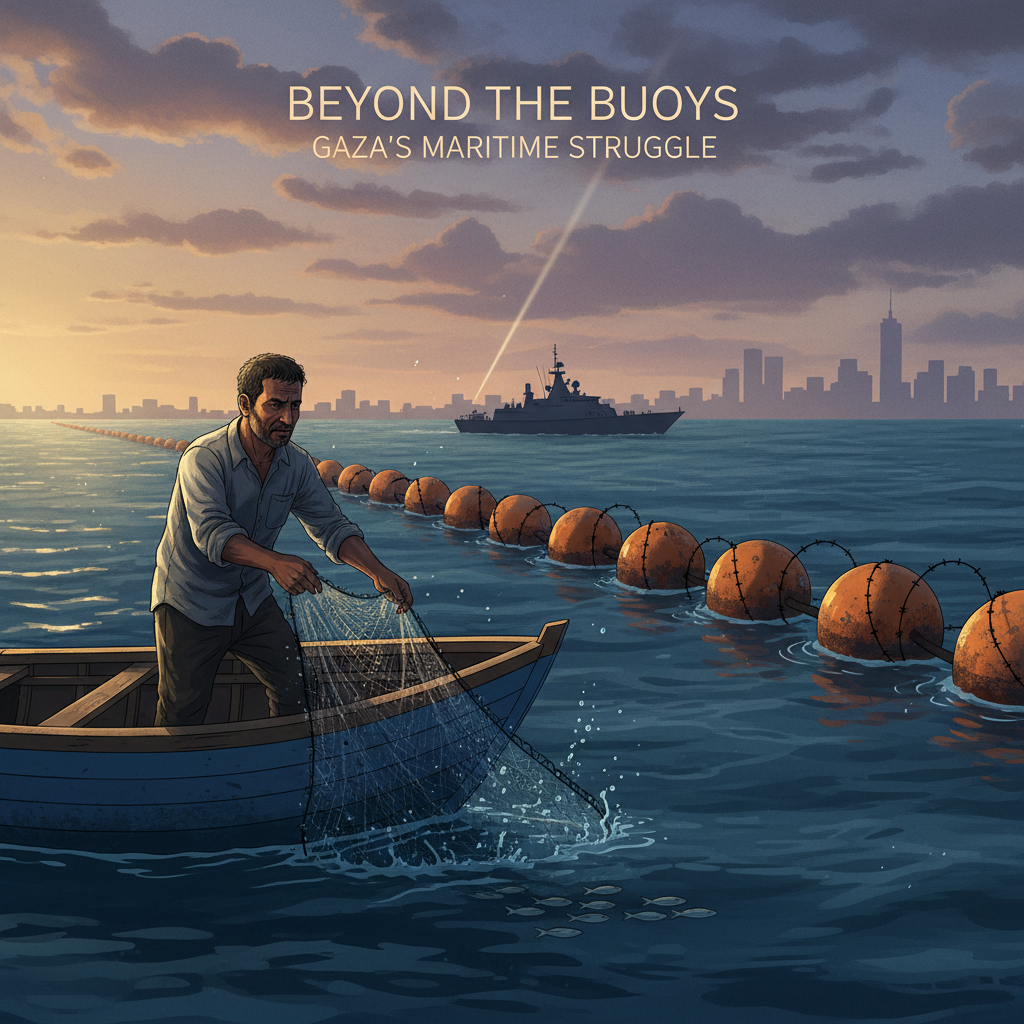
Yet, a recent report from Al Jazeera casts a stark, sobering light on a very different kind of fishing – one where the stakes are not prize money or bragging rights, but survival itself. In the waters off Gaza, Palestinian fishermen face a daily gauntlet, risking their lives and livelihoods in a sea controlled by external forces. Their 'fishing grounds' are often restricted, their vessels rudimentary, and the threat of interception a constant companion.
Imagine heading out at dawn, not with a spread of custom lures from AFTCO or a meticulously spooled Shimano Tiagra, but with the knowledge that your very presence could lead to conflict. These aren't the high-performance hulls of a Viking or a Jarrett Bay; these are often small, open boats, powered by necessity rather than horsepower. Their 'electronics' might be basic, if any, and their 'tackle' is geared purely for sustenance.
It's a powerful reminder that while we celebrate the pinnacle of sport fishing, the act of fishing itself, in its most fundamental form, remains a lifeline for communities around the globe. It prompts us to reflect on the privilege we hold when we choose to fish, and to appreciate the freedom of our open waters. Our shared passion for the sea, regardless of circumstance, connects us to these fishermen, even as their challenges stand in stark contrast to our own.