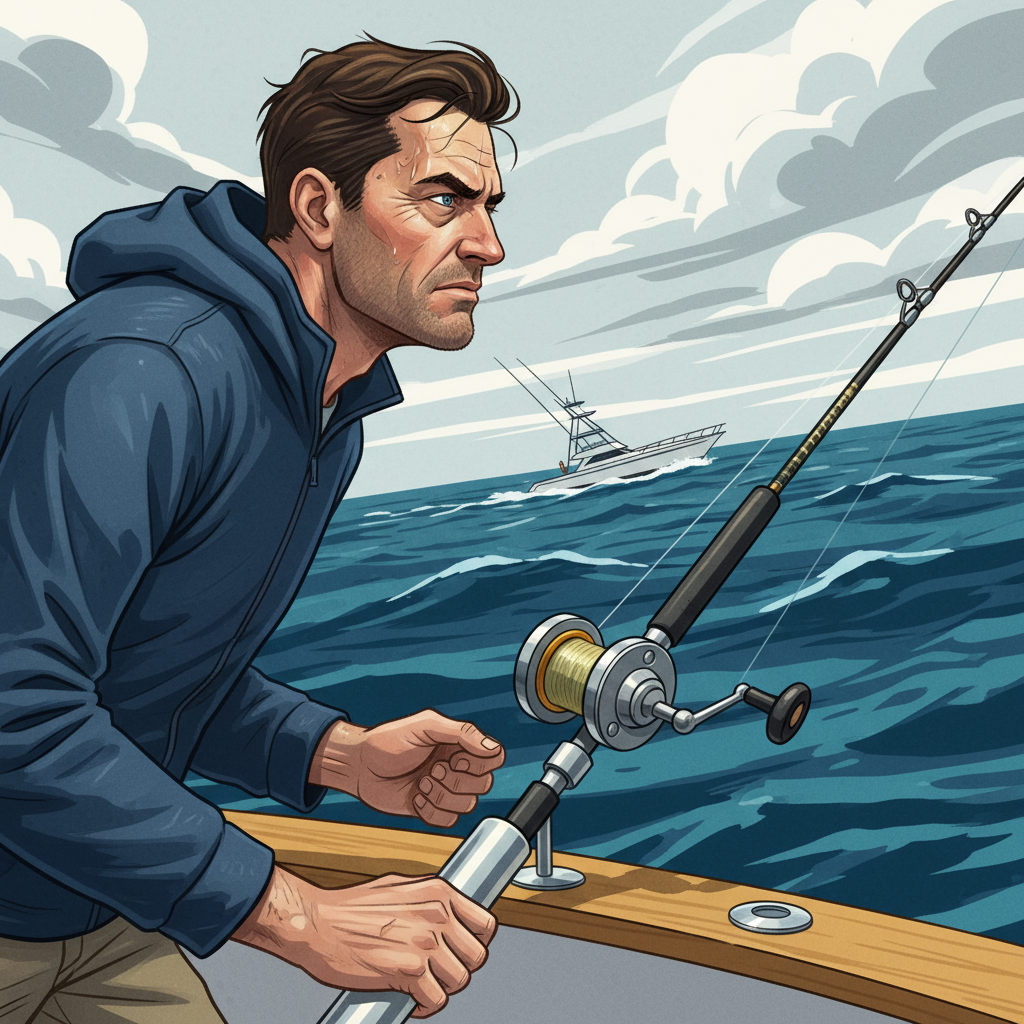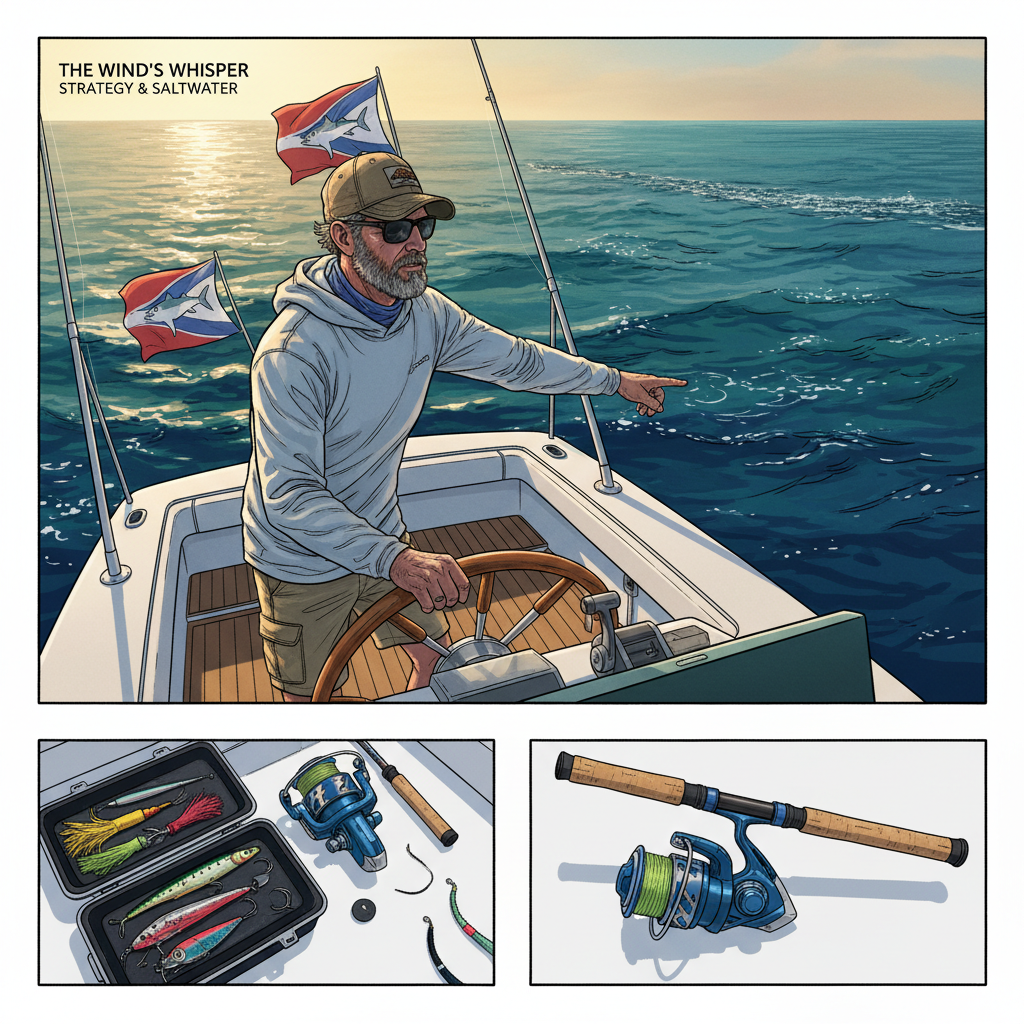
Any seasoned captain worth his salt knows that the weather forecast isn't just about comfort; it's about strategy. While most recreational anglers might grumble about a stiff breeze, for those of us on the tournament trail – from the Big Rock to the White Marlin Open – wind direction isn't a nuisance, it's a critical data point that can make or break a multi-million dollar week.
Florida Sportsman recently touched on this, and it's a conversation that resonates deeply with the high-stakes world we inhabit. We're not just talking about chop here. A persistent easterly, for example, can stack baitfish against a certain depth contour offshore, creating a feeding frenzy for pelagics. Conversely, a hard westerly might push warm, clear water far out, scattering the bite and forcing boats like a 70-foot Viking or a custom Jarrett Bay to burn precious fuel chasing ghosts.
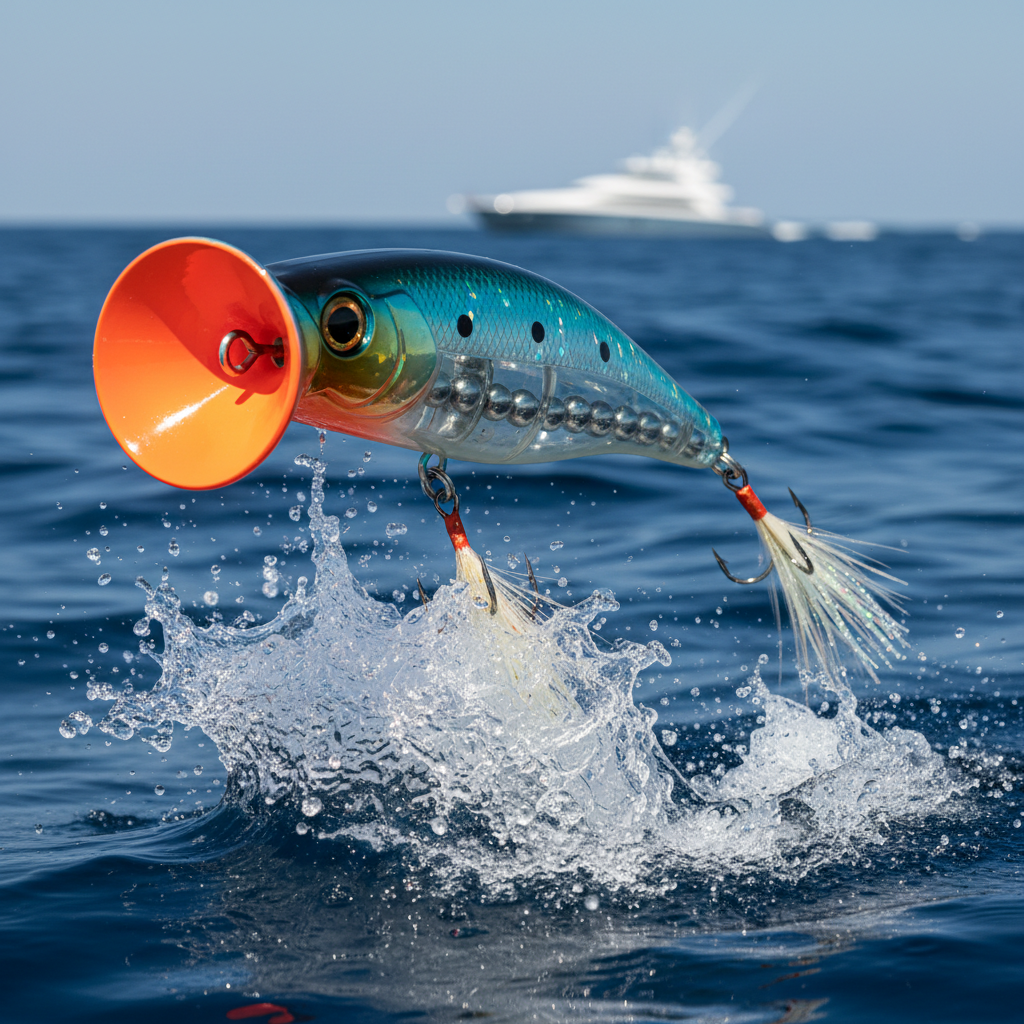
Think about it: a strong northerly can create a wicked current rip, concentrating billfish in a specific zone, making a perfectly deployed dredge from a Release or Ritchie Howell suddenly irresistible. Or, it can muddy up an inlet, making it tough to find the clean water where the wahoo are lurking. Our Garmin and Furuno electronics can show us the water temperature breaks and current lines, but it's the wind that often dictates *where* those breaks are most productive and *how* the bait is positioned.
This isn't just about finding fish; it's about finding the *right* fish. The ones that will put you on the leaderboard, earn you that significant prize money, and allow you to release a healthy billfish, adhering to IGFA standards and our shared commitment to conservation. A captain who can anticipate these subtle shifts, who knows when that southwesterly will push the sargassum and its inhabitants into a prime fishing lane, is the one who'll be hoisting the trophy. It’s a chess match with Mother Nature, and the wind is often her most powerful bishop.