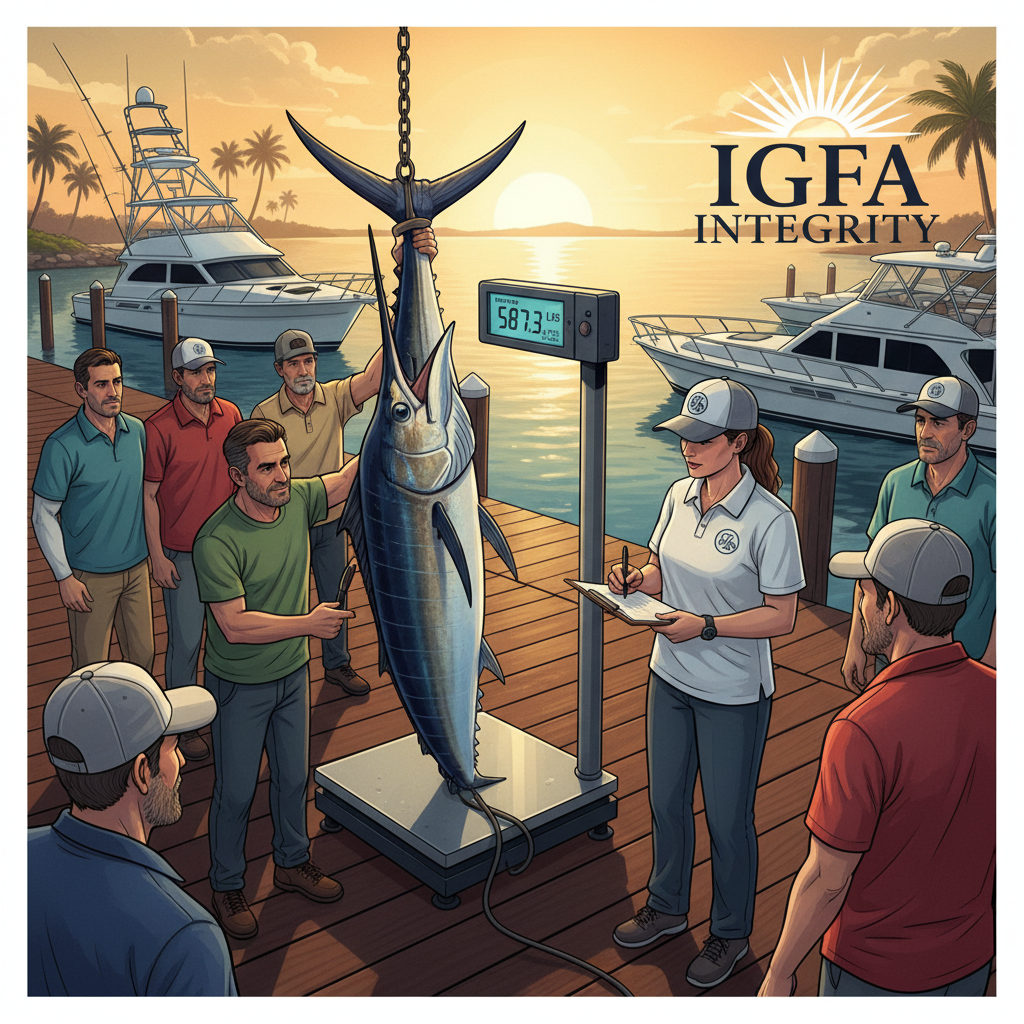
There’s a certain electricity that crackles through the air at a weigh station, whether it’s the Big Rock or the White Marlin Open. The roar of the crowd, the anticipation, the sheer size of a grander being hoisted – it’s the culmination of countless hours, immense investment, and the relentless pursuit of a dream. But beneath the spectacle, underpinning every triumph and every record, lies a quiet, yet ironclad, foundation: the IGFA rules.
For those of us who've spent a lifetime on the water, chasing billfish from the canyons off Maryland to the deep blue of the Caribbean, we understand that integrity isn't just a buzzword; it's the very soul of our sport. A world record isn't just a number; it's a testament to skill, patience, and adherence to a universal code. And in the hyper-competitive arena of tournament fishing, where millions can ride on a single fish, those IGFA guidelines are the only thing separating legitimate glory from mere rumor.
We’ve all seen the drama – the disqualifications, the disputes, the whispers. It’s a stark reminder that even with the latest Garmin electronics guiding us to the bite, or the finest Shimano Tiagra reels screaming, the human element remains paramount. Did the angler fight the fish unassisted? Was the tackle within class? These aren't trivial questions; they are the bedrock of fair play, ensuring that a victory aboard a Viking or a Jarrett Bay is earned, not just caught.
Conservation, too, is inextricably linked to these rules. Catch-and-release protocols, often inspired by IGFA principles, are now standard in many of our favorite tournaments, reflecting our collective commitment to the health of the fisheries we cherish. This isn't just about winning; it's about preserving the tradition for generations to come. So, the next time you're out there, rods bent, lines tight, remember: the true measure of an angler isn't just the size of their catch, but the integrity with which they pursue it.