The docks of Charleston and Georgetown have long hummed with the rhythm of commercial fishing boats, their holds destined for markets far and wide. But a recent report from the Post and Courier paints a stark picture: South Carolina's commercial fishing industry is in decline. This isn't just a local issue; it's a ripple effect felt throughout the coastal economy, from fish houses to fine dining.
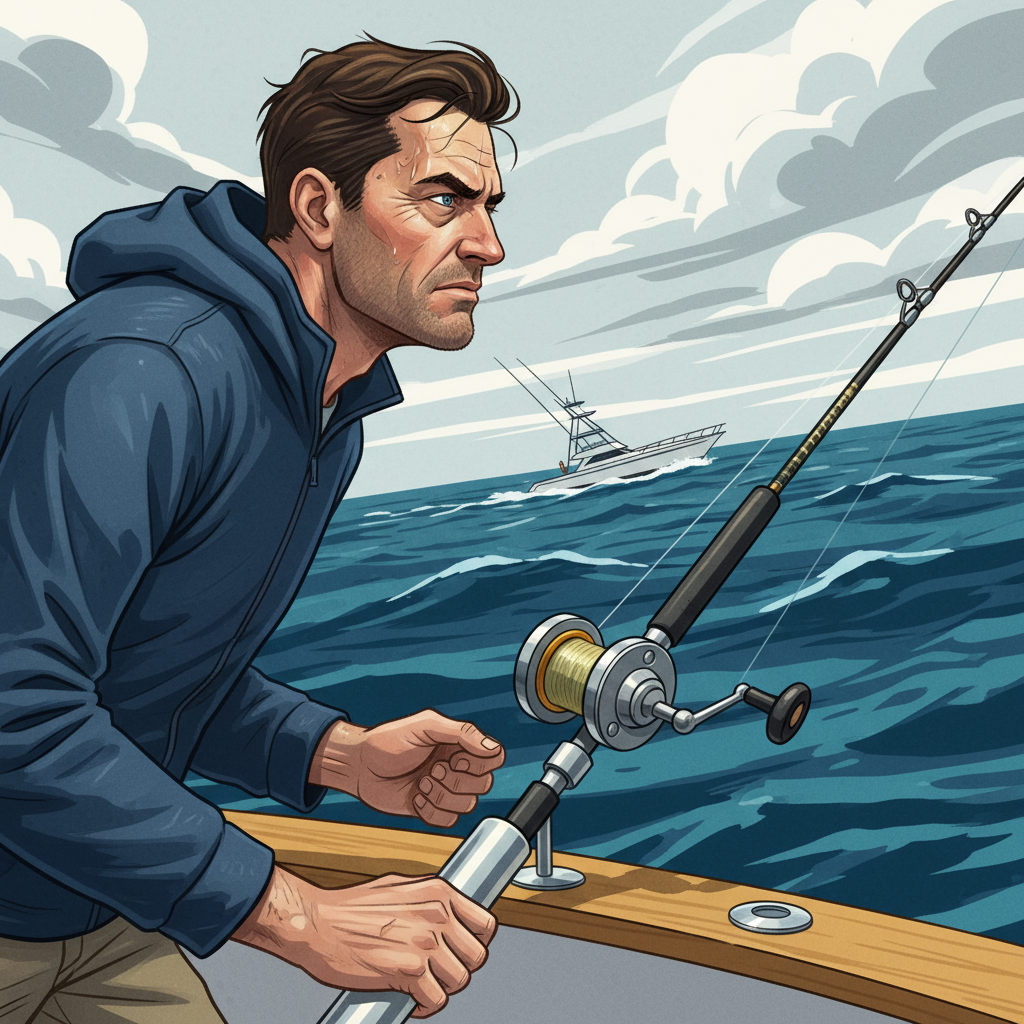
For those of us who chase marlin and tuna aboard our Jarrett Bays and Vikings, this news carries a dual weight. On one hand, it highlights the challenges facing traditional fisheries. On the other, it underscores the vital role recreational anglers, particularly those in the tournament circuit, play in supporting local economies and providing high-quality, sustainably caught fish.
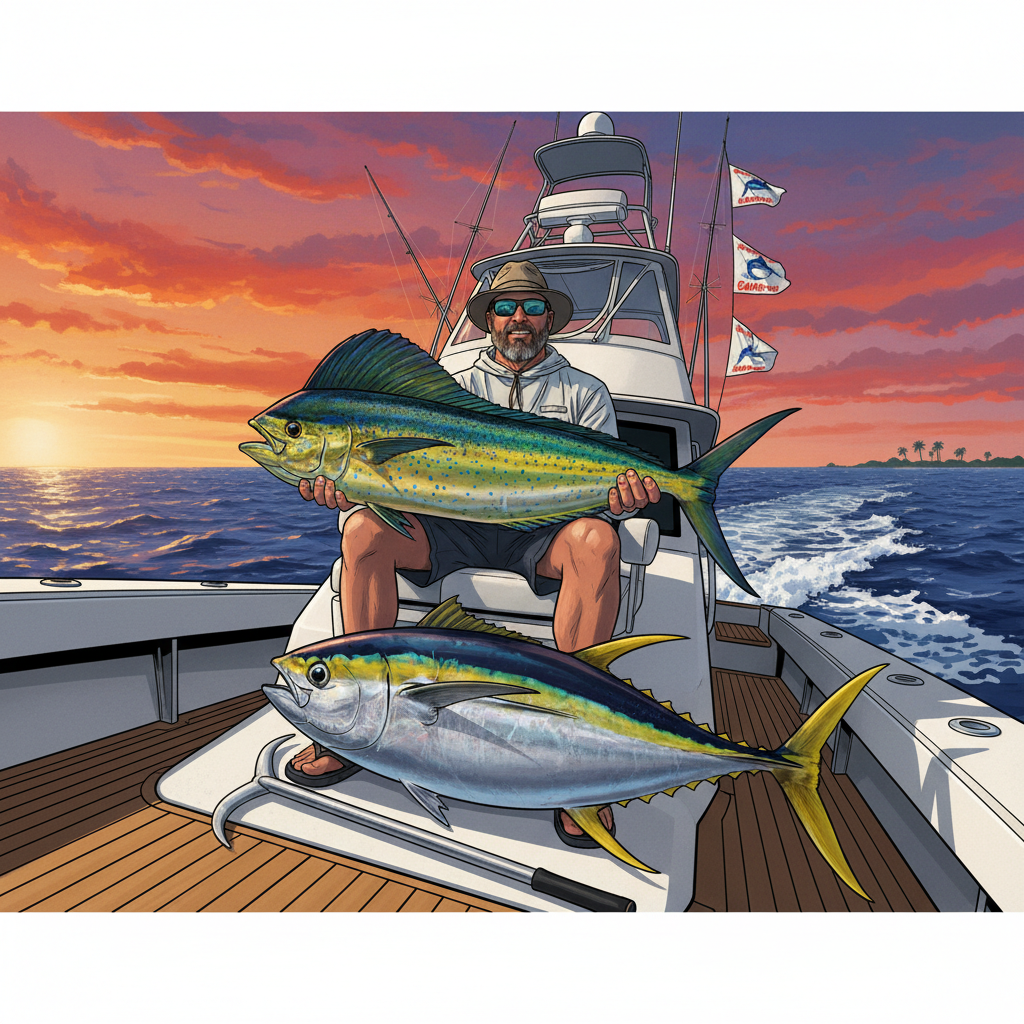
Restaurants, once reliant on commercial hauls, are increasingly turning to the sportfishing community. Captains returning from a successful run to the Gulf Stream, whether on a sleek Ritchie Howell or a battle-tested Hatteras, often have more than enough Wahoo, Mahi, or Tuna for their own tables. This surplus, responsibly managed and often donated or sold locally, is bridging a critical gap. It's a testament to the quality and freshness that comes from a day's hard fishing, often employing the latest Garmin sonar to pinpoint schools and AFTCO gear to land the prize.
This shift isn't without its complexities. Strict IGFA rules and catch-and-release protocols for billfish remain paramount, reflecting our community's deep commitment to conservation. But for species like tuna and dolphin, which are often kept, the connection between the angler, the ocean, and the plate is becoming more direct. It's a pragmatic adaptation, showcasing the resilience and resourcefulness that define the offshore fishing lifestyle, ensuring that the taste of the Carolina coast endures.