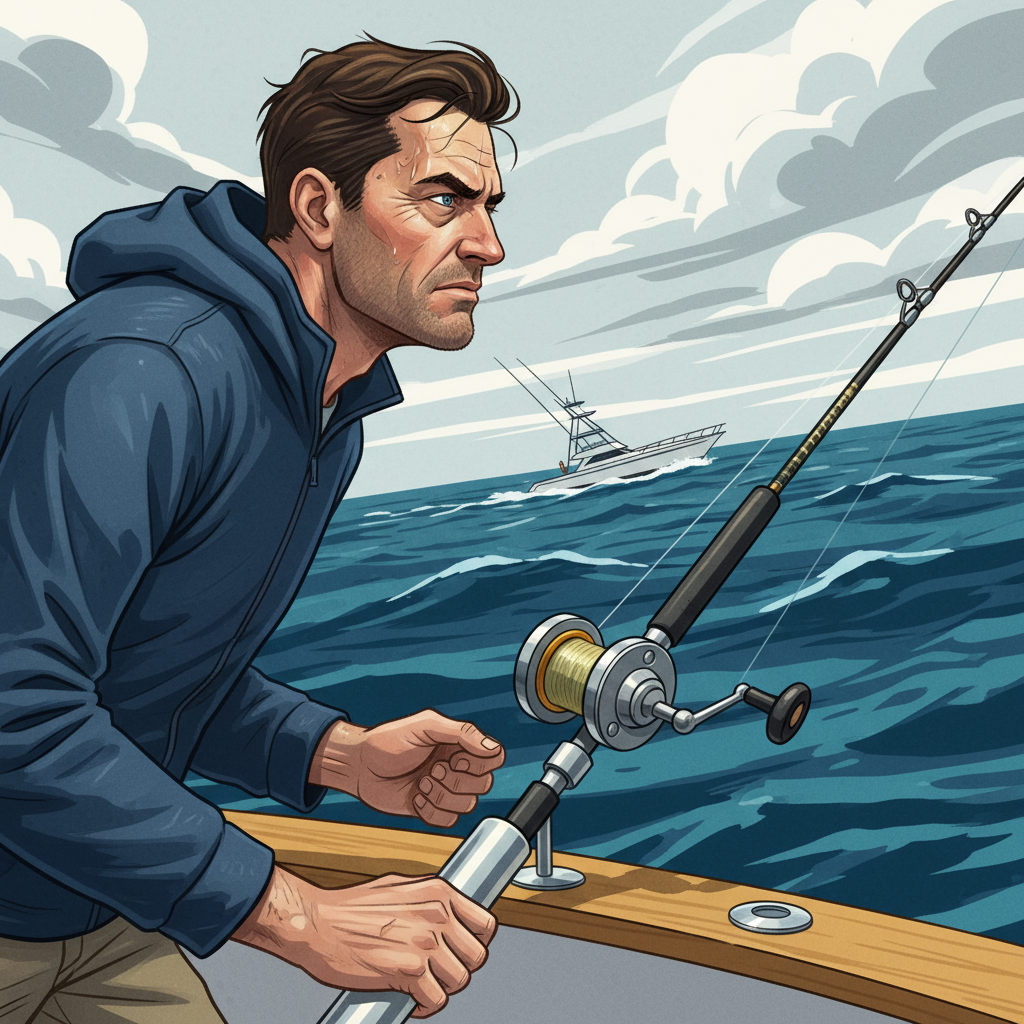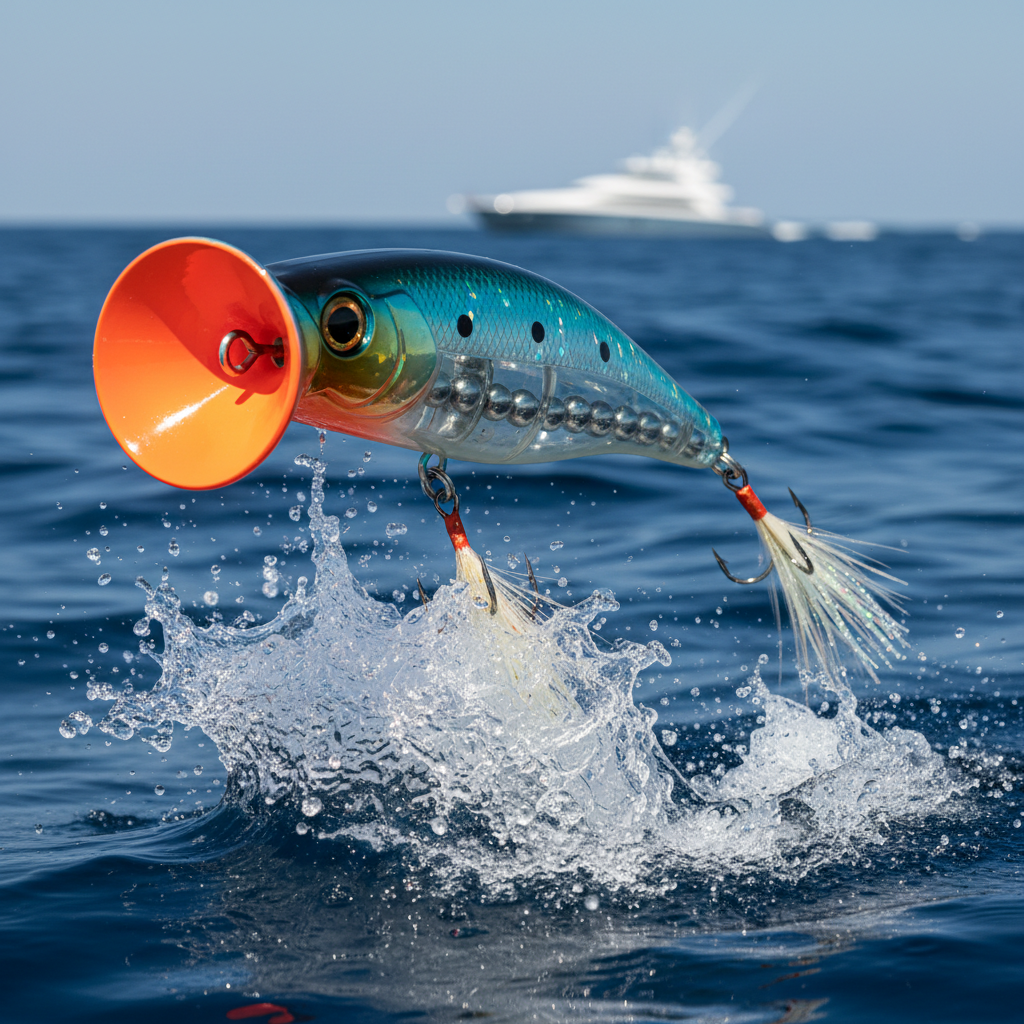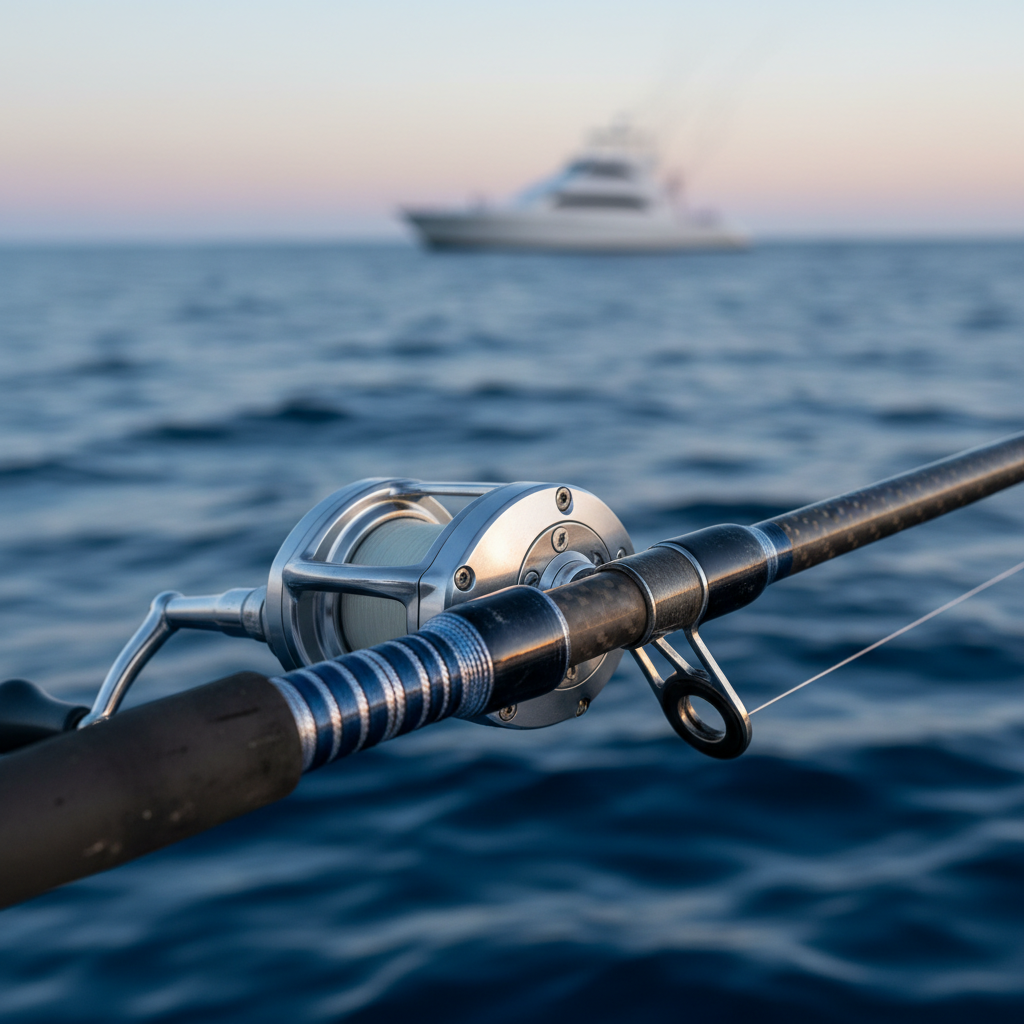
The Gulf Coast, a region synonymous with robust fisheries and fierce competition, once again played host to the Flora-Bama Fishing Rodeo. This isn't your typical big-money billfish shootout, mind you, but it's a staple on the calendar for many serious anglers, a proving ground where local knowledge and a keen eye for structure can trump horsepower and a million-dollar tackle budget. And like any event that draws serious talent, it always delivers drama.
This year's rodeo, as always, showcased the incredible diversity of the Gulf. From massive snapper to kingfish that could spool a lesser reel, the weigh station was a spectacle. You saw everything from seasoned captains on their custom center consoles, running top-tier Garmin arrays, to weekend warriors hoping for a lucky strike. The sheer volume of fish brought to the scales is a testament to the Gulf's productivity, but it also sparks conversation – a conversation that's becoming increasingly prevalent in our sport.
While the Flora-Bama is renowned for its accessibility and broad appeal, the sheer number of fish, particularly certain species, raises eyebrows among those of us who've seen the ebb and flow of fisheries over decades. It's a delicate balance, this pursuit of the biggest fish and the imperative to protect the resource for future generations. We're all in this together, from the guys running a Viking 72 with a full spread of Shimano Tiagras to the family boat hoping for a cooler full of snapper. The spirit of competition is vital, but so is the spirit of stewardship. Every tournament, from the Big Rock to the Flora-Bama, now carries this undercurrent. It’s a challenge we, as a community, must continue to address head-on, ensuring the thrill of the catch endures.