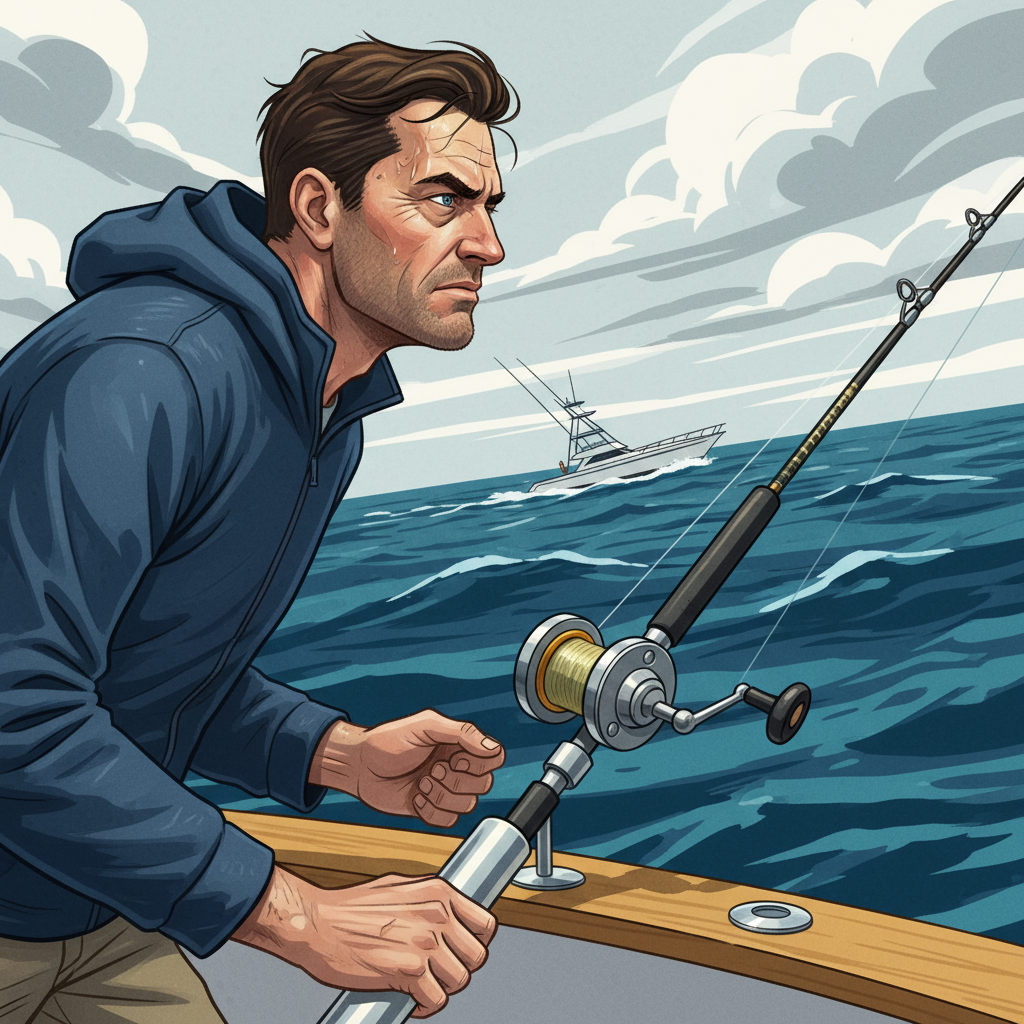
For any of us who've spent a lifetime on the water, from the canyons off Ocean City to the blue marlin grounds of the Bahamas, the 'taxman' is a familiar, if unwelcome, presence. That heart-sinking moment when a big bull or hammerhead comes in to claim your hard-fought tuna or wahoo right at the transom – it's a gut punch. But what was once an occasional nuisance is becoming an epidemic, and Florida is stepping up to the plate.
Attorney General Ashley Moody is backing a new bill aimed squarely at shark depredation, a move that resonates deeply with the competitive sportfishing community. We're talking about more than just a lost dinner; for tournament anglers, a 'taxed' fish can mean the difference between a million-dollar payday and a goose egg. Imagine fighting a grander blue marlin for hours on a Shimano Tiagra 80W, finally getting it boat side for a release photo, only for a mako to make a meal of it. It's not just the financial loss, it's the conservation aspect – a fish fought to exhaustion only to become shark bait, often before proper release protocols can be observed.
This isn't about eradicating sharks; it's about finding a balance. Our readers, who run boats like Viking and Jarrett Bay, and fish with the best gear from Penn and AFTCO, are deeply invested in marine conservation. We understand the critical role sharks play in the ecosystem. But the increasing frequency of depredation, particularly in areas heavily fished by recreational and commercial anglers, points to a shift that needs addressing. Whether it's changes in shark populations, migration patterns, or simply increased interaction due to more boats on the water, the problem is undeniable.
While the specifics of the bill are still developing, the intent is clear: explore non-lethal deterrents, research solutions, and protect both our fisheries and the angler's experience. This isn't just a Florida problem; it's a global challenge. The IGFA has long grappled with how to score a 'taxed' fish in tournaments. A legislative push like this could pave the way for innovative solutions, allowing us to continue our passion for big game fishing while ensuring the health of the ocean for generations to come. It’s a complex issue, but one that demands our attention and our best efforts.