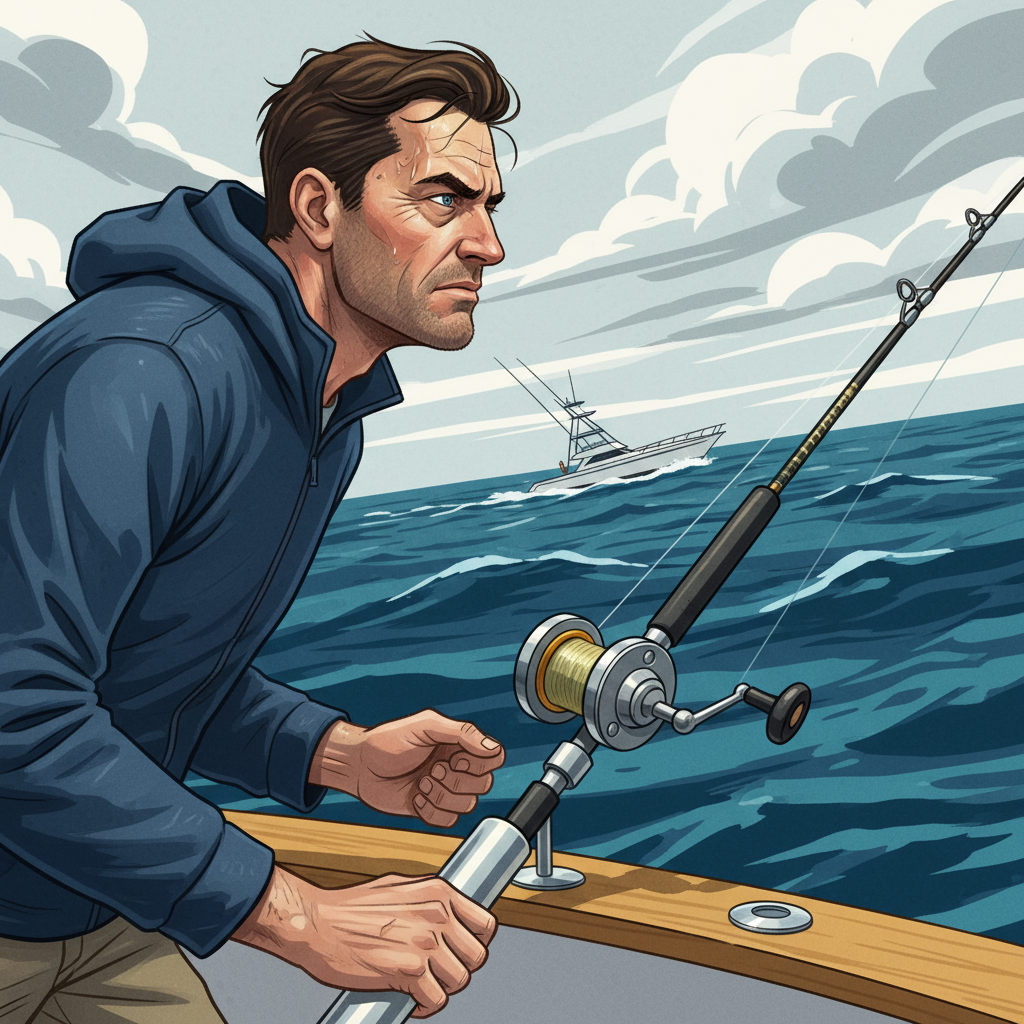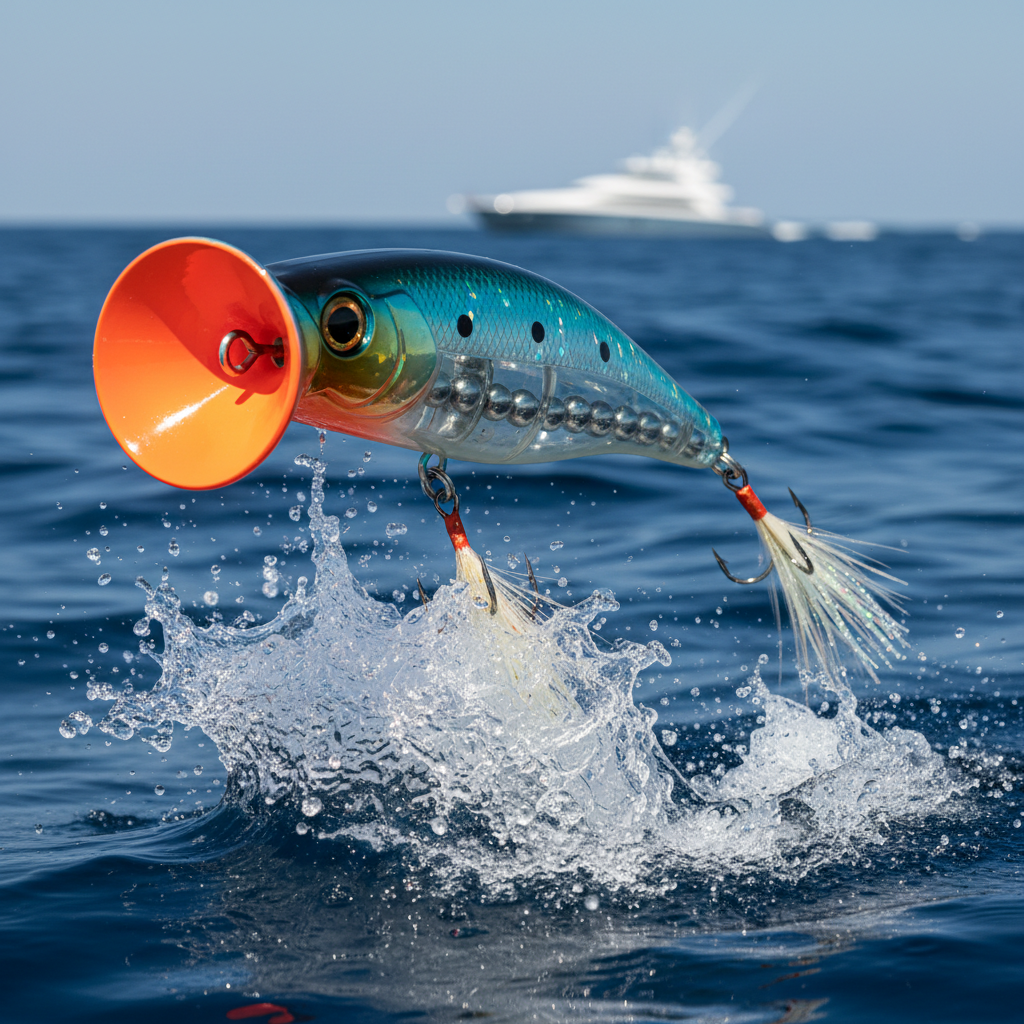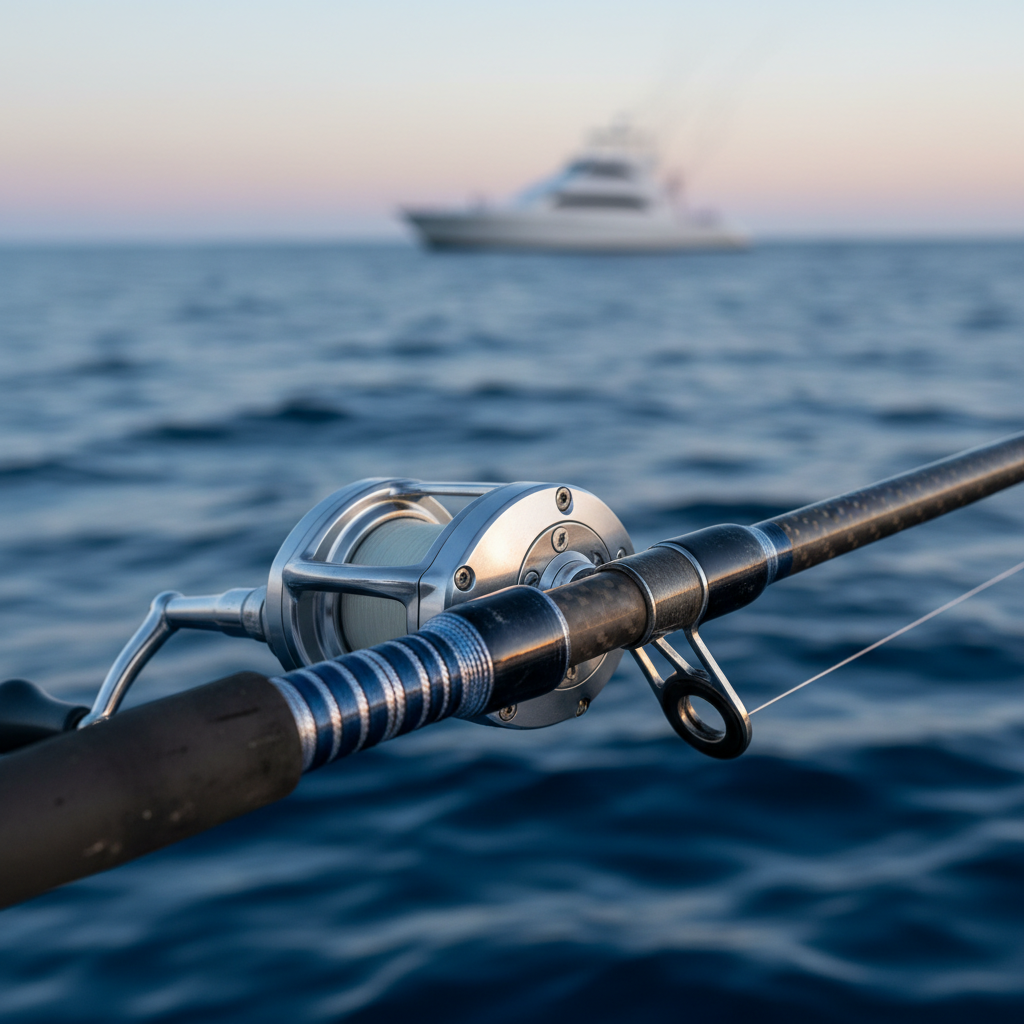
Gentlemen, and ladies of the competitive circuit, we spend our seasons chasing marlin and tuna from the decks of our Vikings and Jarrett Bays, navigating with Furuno and Simrad, and battling with Shimano Tiagras. But sometimes, the call of the coast, the raw simplicity of a rod in hand and sand underfoot, offers a different kind of challenge – one that demands just as much skill and patience: surf fishing for tautog.
I’ve seen my share of weigh-ins, the drama of a grander marlin hitting the scales, but there’s a quiet satisfaction in outsmarting a cunning blackfish from the beach. Tautog, or 'tog' as we affectionately call them, are notoriously structure-oriented, even in the surf. This isn't about blind casting; it's about reading the water, understanding the subtle currents, and identifying those submerged rocks and mussel beds that hold their quarry.
While we might be accustomed to heavy stand-up gear, surf fishing for tog demands a lighter touch. Think a robust spinning setup, perhaps a Penn Slammer or a Daiwa Saltiga, spooled with braid for sensitivity, and a fluorocarbon leader. The bite is often a mere 'tap-tap' – easy to miss if you're not dialed in. This isn't a power game; it's finesse. It's about feeling the bait, usually green crabs or fiddlers, down to the structure and discerning the difference between a rock and a fish.
And just like our offshore pursuits, conservation is paramount. While not always a catch-and-release fishery in the surf, adhering to local regulations, understanding slot limits, and practicing responsible harvesting ensures these feisty bottom dwellers remain a viable target for generations to come. It’s a reminder that regardless of the vessel or the tackle, the essence of angling – the pursuit, the challenge, and the respect for the resource – remains constant.