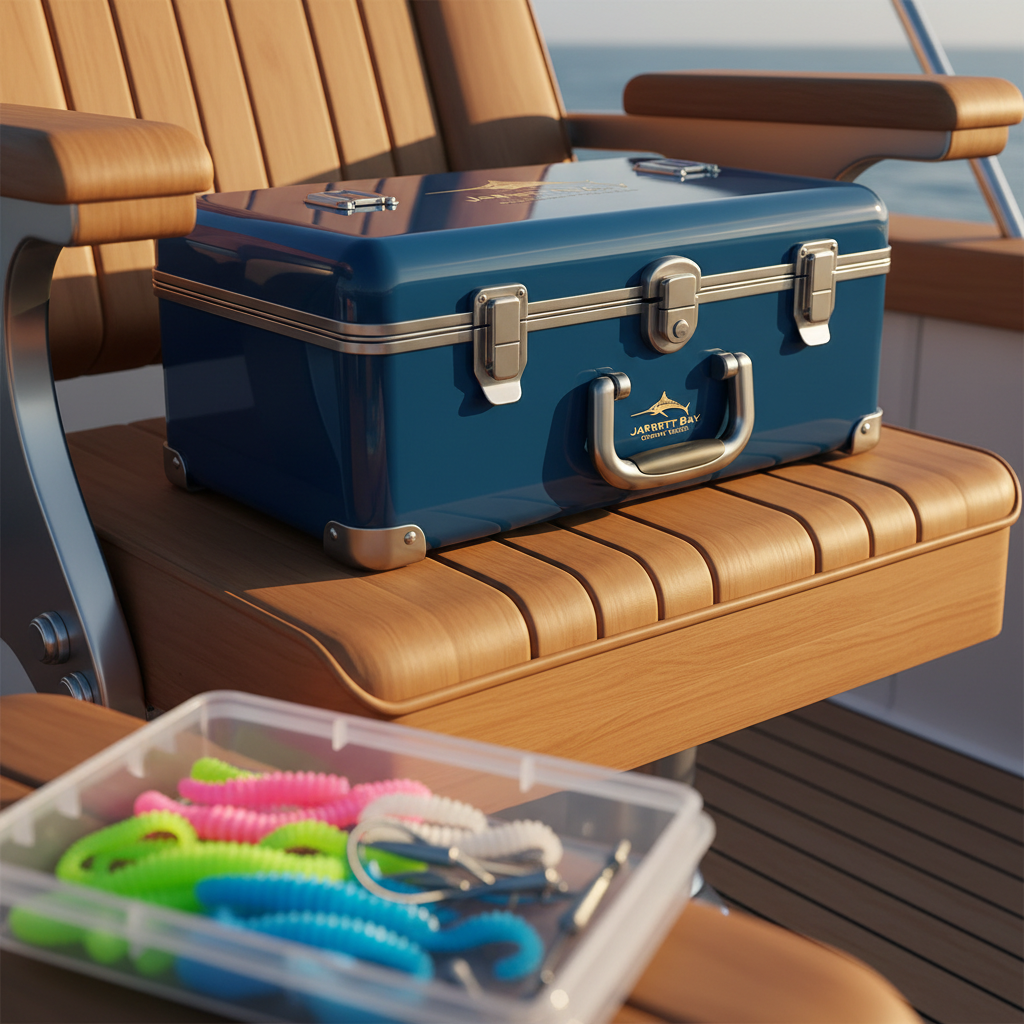
For those of us who've chased marlin from the canyons off Hatteras to the deep blue of the Pacific, the sight of a well-maintained Viking or a custom Jarrett Bay slicing through the waves is a thing of beauty. We invest in the best – Shimano Tiagras, Penn International VIs, state-of-the-art Garmin and Furuno electronics – not just for the thrill of the catch, but for the respect we hold for the ocean and its bounty.
That respect, and indeed the very future of our sport, is under a dark cloud. Recent reports, highlighting the massing of thousands of Chinese fishing vessels in international waters, send a chill down the spine of anyone who understands the delicate balance of marine ecosystems. These aren't your typical longliners or a few trawlers; we're talking about fleets of industrial scale, often operating with little transparency and even less regard for sustainable practices.
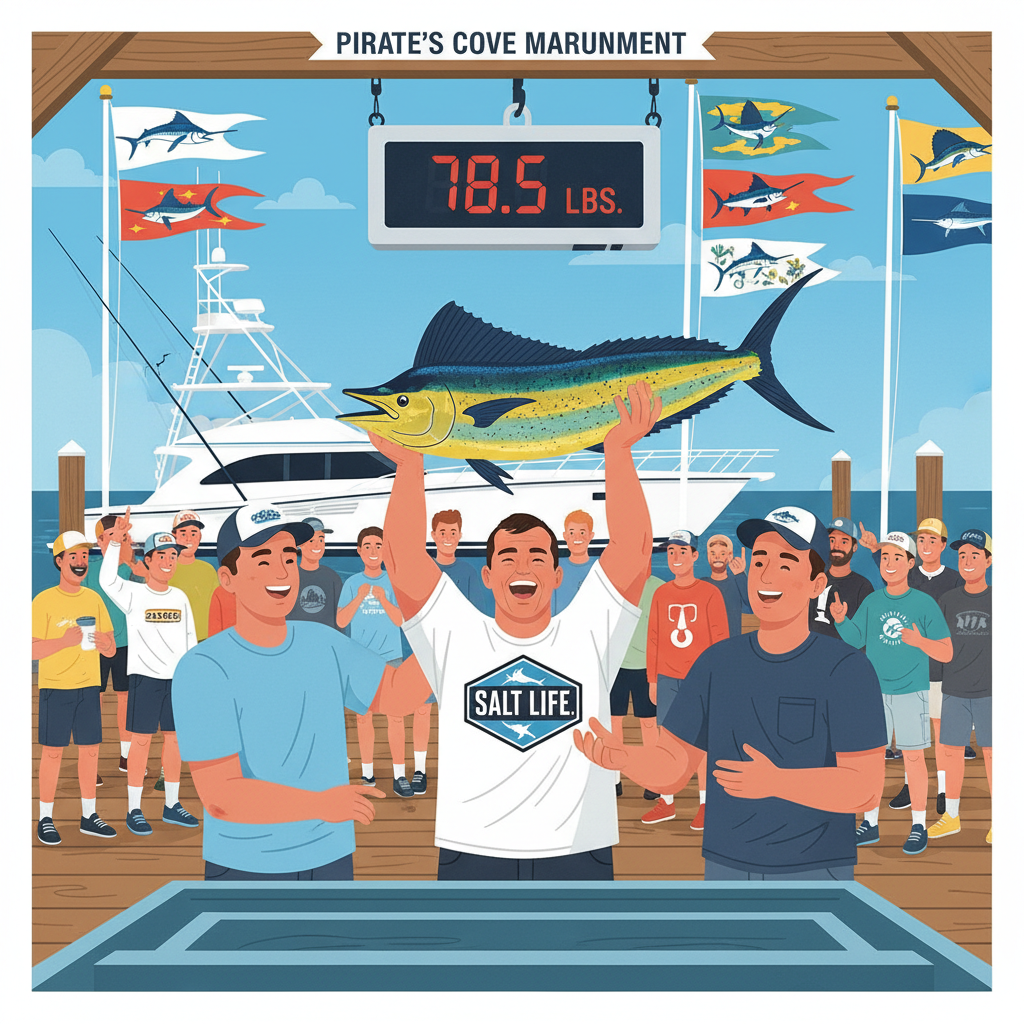
We’ve seen the impact of overfishing firsthand. The fight to preserve billfish stocks, the strict IGFA rules, the widespread adoption of catch-and-release protocols in tournaments like the Big Rock and Pirate's Cove – these are not arbitrary measures. They are vital efforts by anglers, boat owners, and conservation groups to ensure that our grandchildren can still experience the magic of a marlin bite. The economics of tournament fishing, with millions invested in boats, tackle, and tourism, are intrinsically linked to healthy fish populations.
When thousands of boats descend on a region, often targeting species that form the base of the food chain or are crucial forage for pelagic giants, the ripple effect is catastrophic. It’s not just about 'their fish' versus 'our fish'; it’s about the health of the global ocean. These ghost fleets, operating beyond effective regulation, threaten to deplete stocks at an unsustainable rate, leaving empty seas for everyone – including the majestic billfish we dedicate our lives to pursuing.
This isn't just a geopolitical issue; it's a direct threat to the sport we love and the marine environment we cherish. As anglers, conservationists, and stakeholders in the ocean's future, we must demand greater transparency, stronger international enforcement, and a commitment to sustainable fishing practices from all nations. The ocean is not an infinite resource, and its future hangs in the balance.