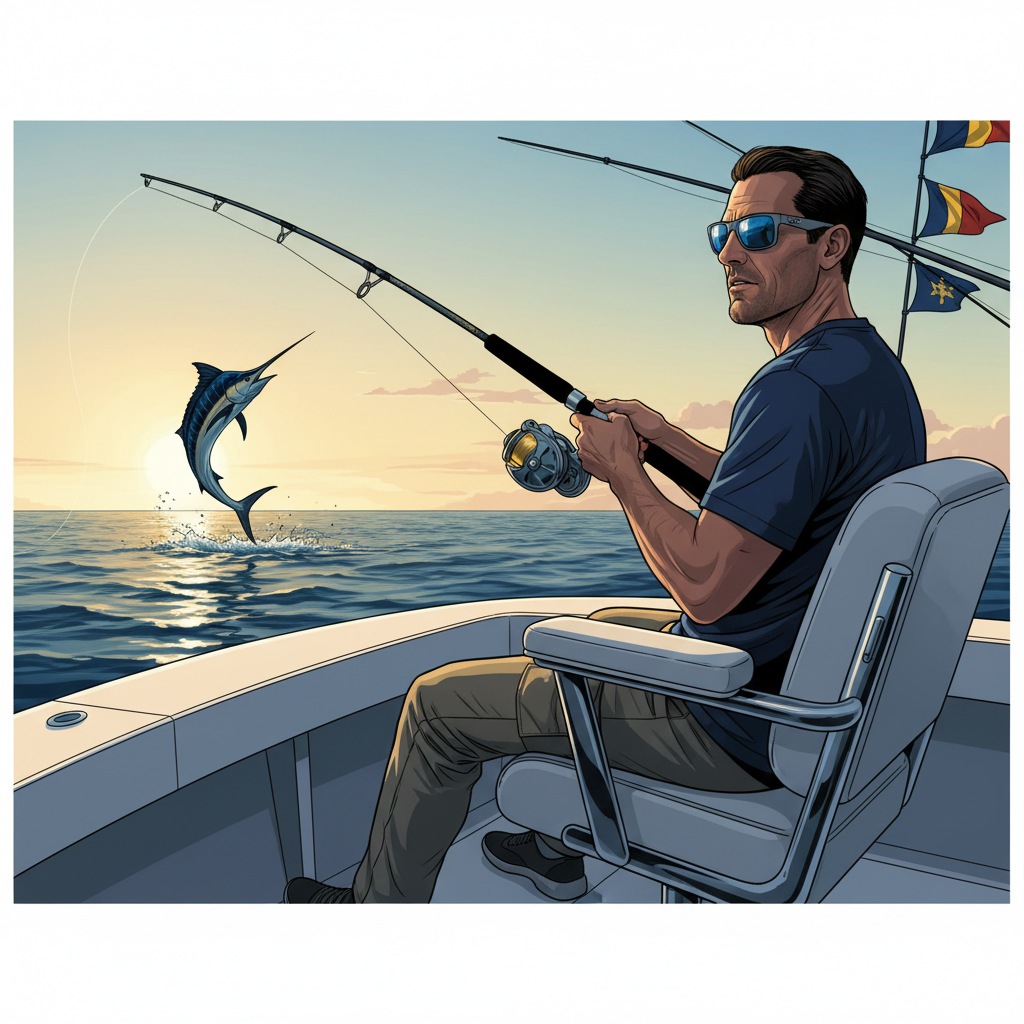
The news out of Virginia Beach recently sent a shiver down the spine of anyone who's ever felt the pull of a marlin on the line or watched a pod of tuna break the surface. Reports of dead fish washing ashore, while not uncommon in the natural ebb and flow of the ocean, always serve as a stark, visual reminder of the fragility beneath the waves.
For those of us who spend our lives chasing the giants of the deep – from the canyons off Hatteras to the fertile grounds of the White Marlin Open – these events hit close to home. Our livelihoods, our passions, and our traditions are inextricably linked to the health of the marine environment. While the exact cause of this particular incident is still under investigation, whether it's a localized red tide, an anoxic event, or another natural phenomenon, it invariably sparks conversations about the broader challenges facing our fisheries.
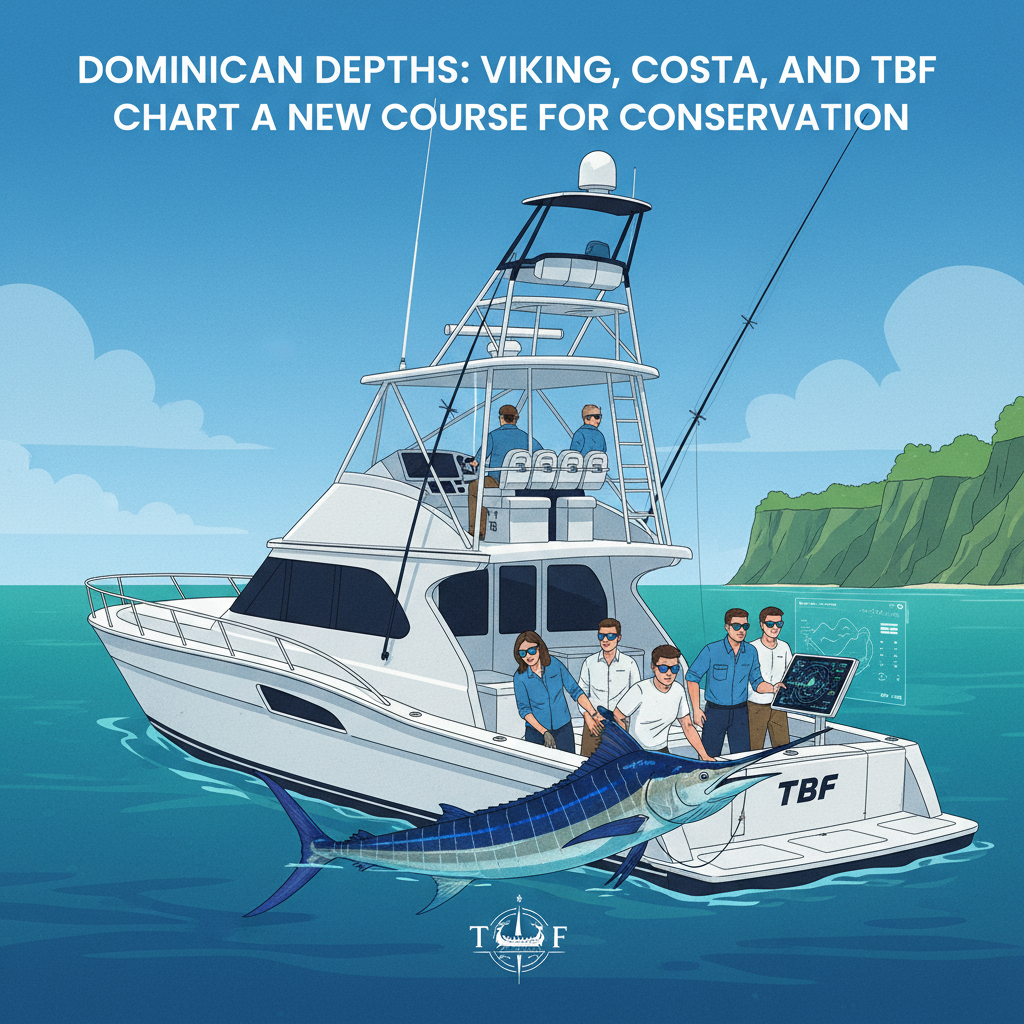
This isn't just about a few dead fish; it's about the bigger picture. It reinforces why organizations like the IGFA are so critical, why catch-and-release protocols are now standard practice in tournaments like the Big Rock and Pirate's Cove, and why the stewardship of our oceans is paramount. The owners of those Viking, Jarrett Bay, and Release battlewagons, rigged with the latest Garmin electronics and Shimano tackle, aren't just competitors; they're often the first line of defense for ocean conservation.
We, the sportfishing community, have a vested interest and a moral obligation to advocate for healthy oceans. From supporting scientific research to promoting sustainable practices and responsible angling, our actions speak volumes. Let this recent event be a renewed call to action, a reminder that the thrill of the chase is only possible if we protect the playground.