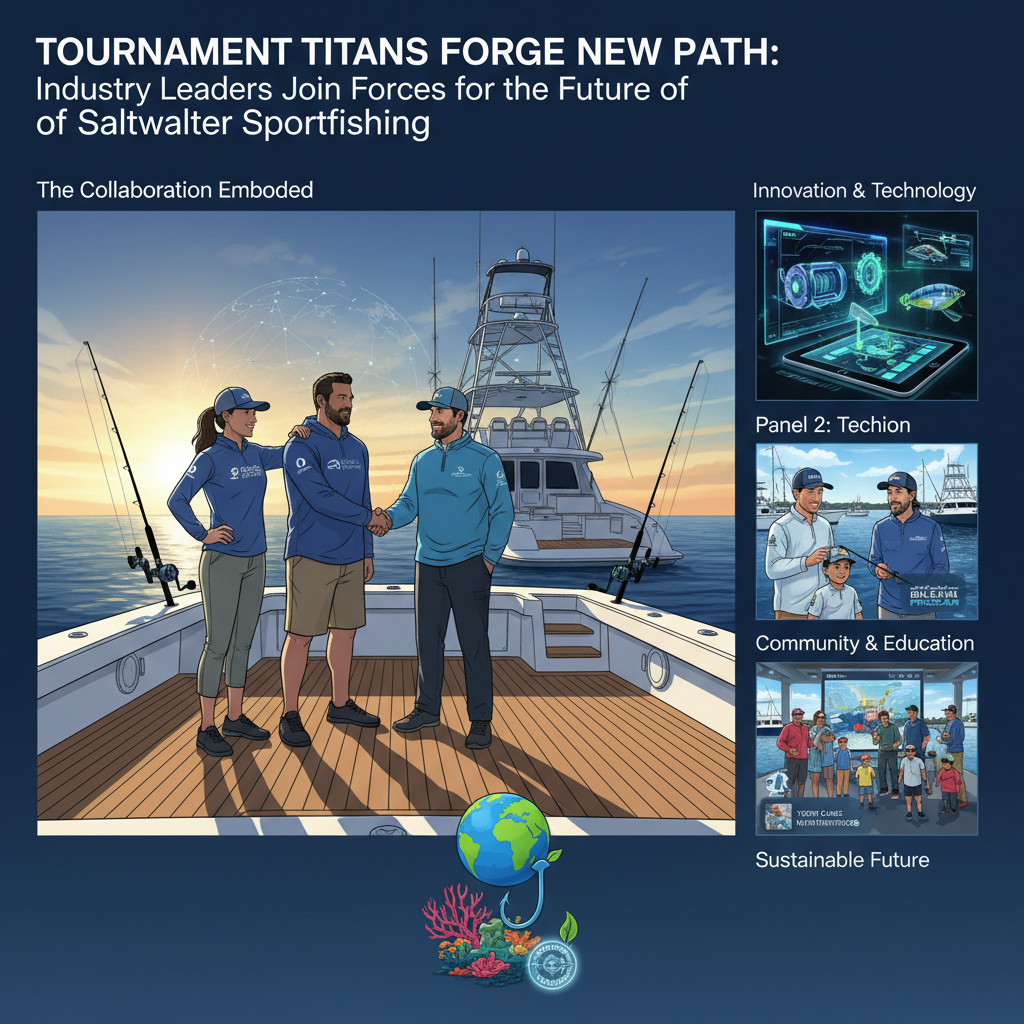
The news hit like a marlin on a 50W: the Trump administration has opened a significant portion of a Pacific marine monument to commercial and recreational fishing. For those of us who live and breathe the offshore bite, this isn't just a political headline; it's a seismic shift with profound implications for conservation, access, and the very future of our sport.
Designated to protect vital ecosystems, these monuments have long been sacrosanct, off-limits to all but scientific observation. Now, the gates are ajar. While the immediate focus might be on commercial fleets, the sportfishing community watches closely. Will this precedent lead to similar actions in other protected waters? The allure of untapped grounds, potentially teeming with billfish and tuna, is undeniable. Imagine the possibilities for a top-tier team on a Viking 72' Convertible, running a full spread of Shimano Tiagras, if these waters become accessible.
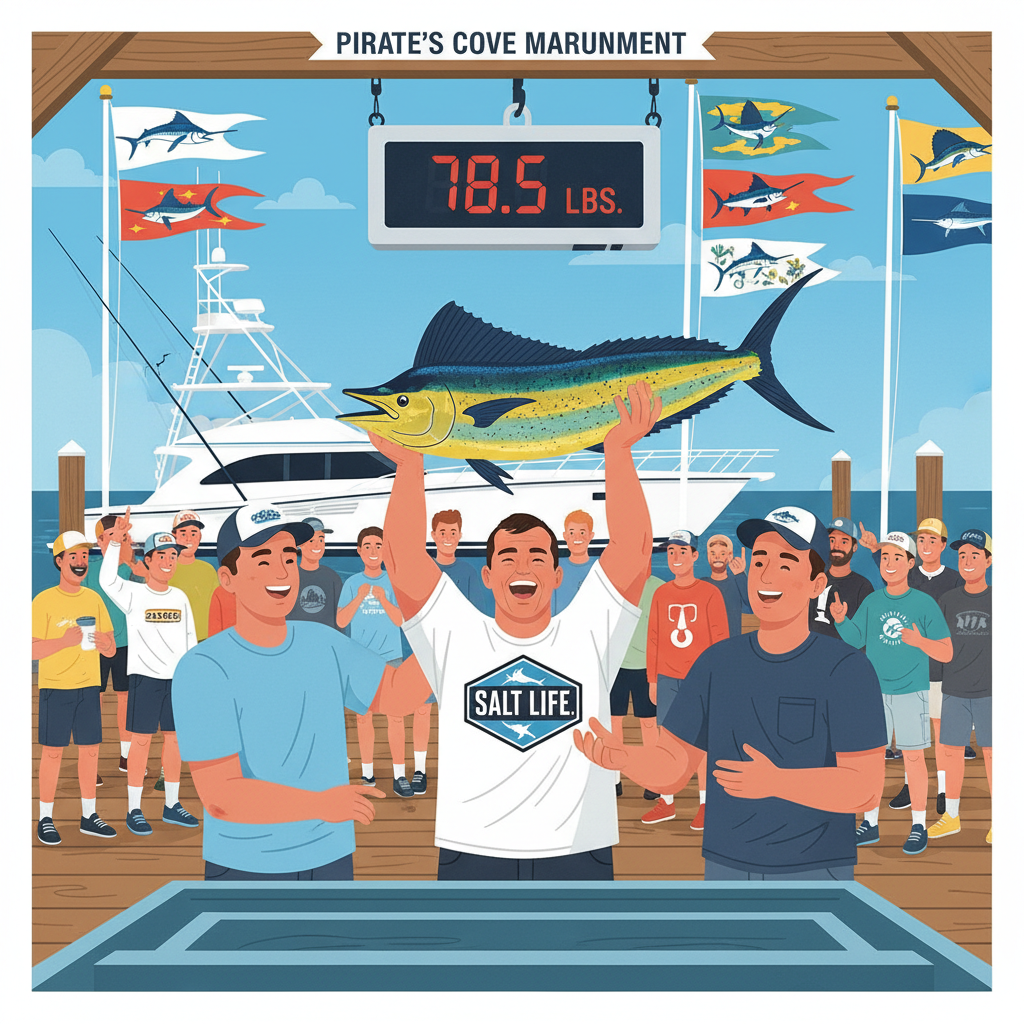
However, the conversation quickly turns to stewardship. Our readers, the owners of Jarrett Bays and Release boats, who invest millions in their passion, are also staunch conservationists. We've championed catch-and-release protocols, adhered to IGFA regulations, and supported organizations dedicated to healthy oceans. The drama of a weigh-in at the Big Rock or Pirate's Cove is thrilling, but it's built on the foundation of sustainable fisheries. The question isn't just 'can we fish there?' but 'should we, and how?'
This move sparks a critical dialogue. While increased access might offer new tournament opportunities and a chance to test our Garmin and Furuno electronics in uncharted territory, it also demands heightened responsibility. The sportfishing community must lead by example, advocating for strict regulations, scientific monitoring, and responsible angling practices. The ocean is our arena, and its health is paramount to the tradition we hold so dear.