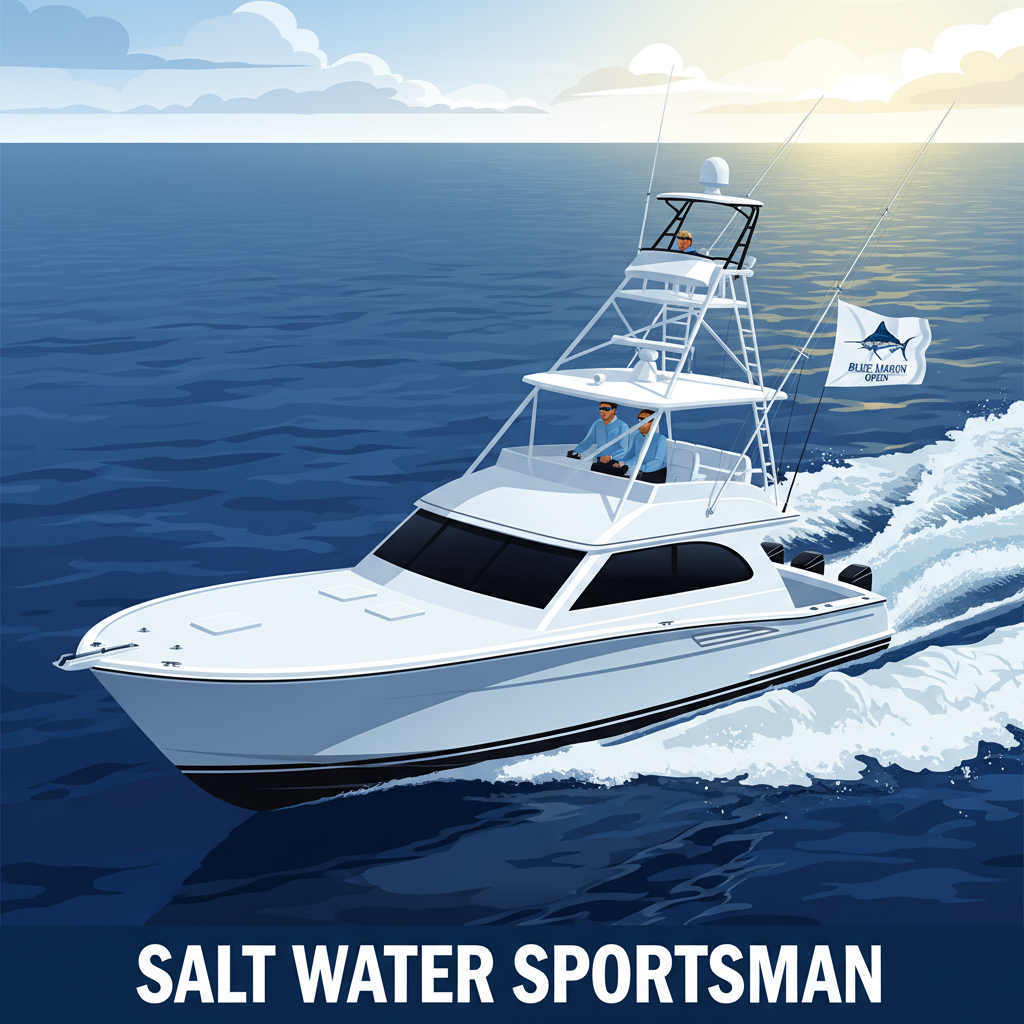
Any seasoned captain worth his salt knows that the wind isn't merely a nuisance; it's a powerful, often unpredictable, force that can make or break a tournament day. While Florida Sportsman recently highlighted the general best and worst wind directions for saltwater fishing, for us on the big stage—whether it's chasing whites at the Open or blues off Hatteras—it's a whole different ballgame.
Consider a strong easterly blow. While it might stack bait and create a productive rip, it can also make for a brutal ride on a 65' Viking, challenging even the most skilled helmsman. That chop can make spotting a finicky marlin nearly impossible, and maintaining a perfect spread with your AFTCO outriggers becomes a masterclass in boat control. Conversely, a light westerly might lay the ocean flat, ideal for spotting, but sometimes too calm, requiring a more aggressive troll pattern or deeper baits to entice a bite.
Optimal conditions often involve a moderate breeze that creates just enough texture on the water without being punishing. That sweet spot allows your Garmin or Furuno sonar to cut through the surface noise, your Shimano Tiagras to present baits naturally, and your crew to stay focused. We've seen tournaments won or lost on a captain's ability to read the wind and adapt—whether it's adjusting a drift, changing a trolling speed, or deciding to run an extra 50 miles to find calmer seas. It's not just about comfort; it's about maximizing your odds, respecting the ocean, and bringing that fish to the Release Marine fighting chair, all while adhering to strict IGFA catch-and-release protocols.