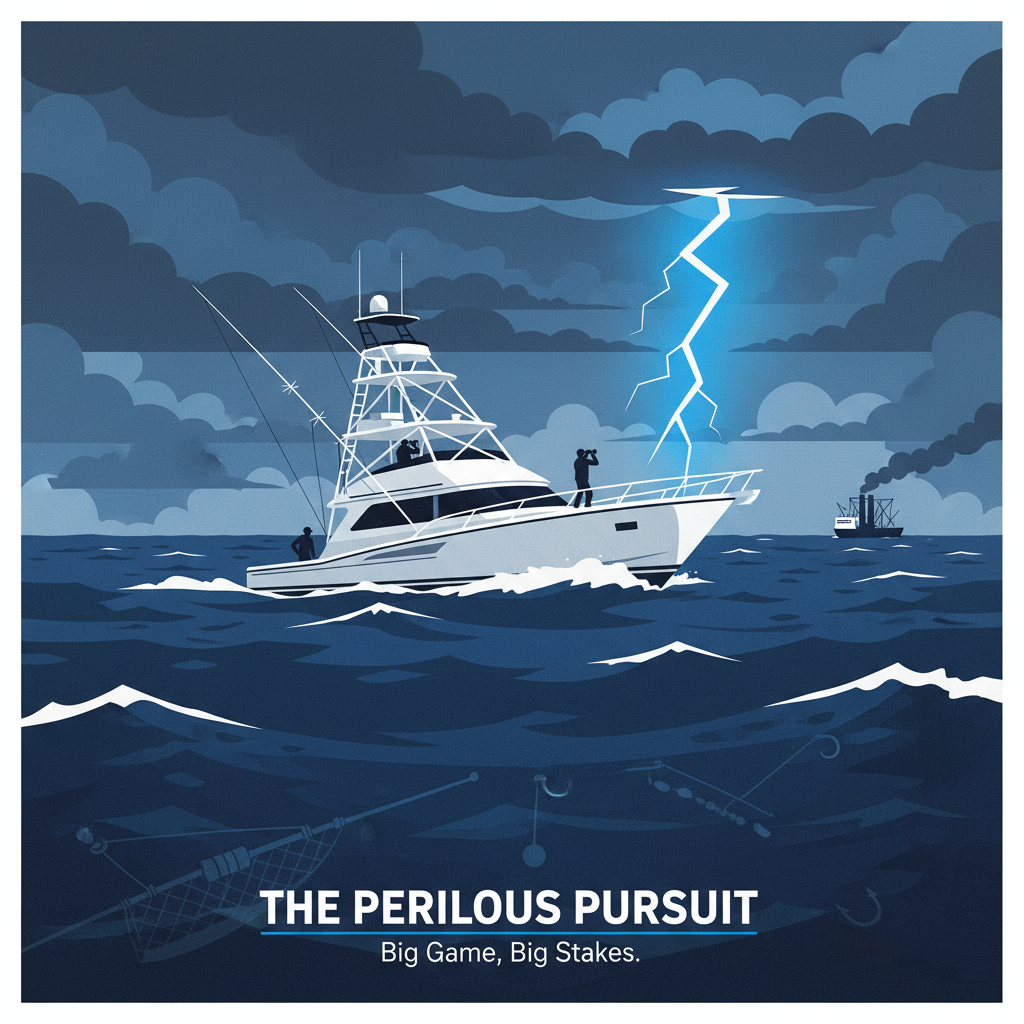
For those of us who live and breathe the chase for pelagic giants – the screaming drag of a grander bluefin, the electric fight of a big yellowfin – the health of our oceans is paramount. A recent study from the Woods Hole Oceanographic Institution (WHOI) has dropped a wake-up call, cautioning that the burgeoning expansion of deep-sea fishing could pose a significant threat to our valuable tuna fisheries.
The report highlights a critical, often unseen, connection: the deep ocean serves as a vital nursery and feeding ground for many species that eventually migrate into the shallower waters where we target them. Increased pressure in these deeper, less-explored ecosystems could disrupt the delicate balance, impacting the recruitment and survival of juvenile tuna before they ever reach the size to hit a trolled ballyhoo behind a Viking or a Jarrett Bay.
This isn't about pointing fingers at any specific gear or fishery, but rather a call for intelligent, science-backed management. Our community, which invests millions in boats, tackle from Shimano and Penn, and state-of-the-art electronics from Garmin and Furuno, also champions conservation. We adhere to IGFA rules, celebrate catch-and-release, and understand that a healthy fishery is the only way to ensure the future of tournaments like the White Marlin Open and the Big Rock.
As anglers, boat owners, and stewards of the sea, we need to pay close attention to these findings. The economics of our sport are intrinsically linked to the health of these fish. Protecting the deep-sea environment isn't just an environmental issue; it's a direct investment in the future of big-game fishing.